Plate I
Bahan
Citrus aurantium
Plant families, the part used, and the method of extraction. Each plate covers one group: citrus peel, resin, wood, leaf, flower.
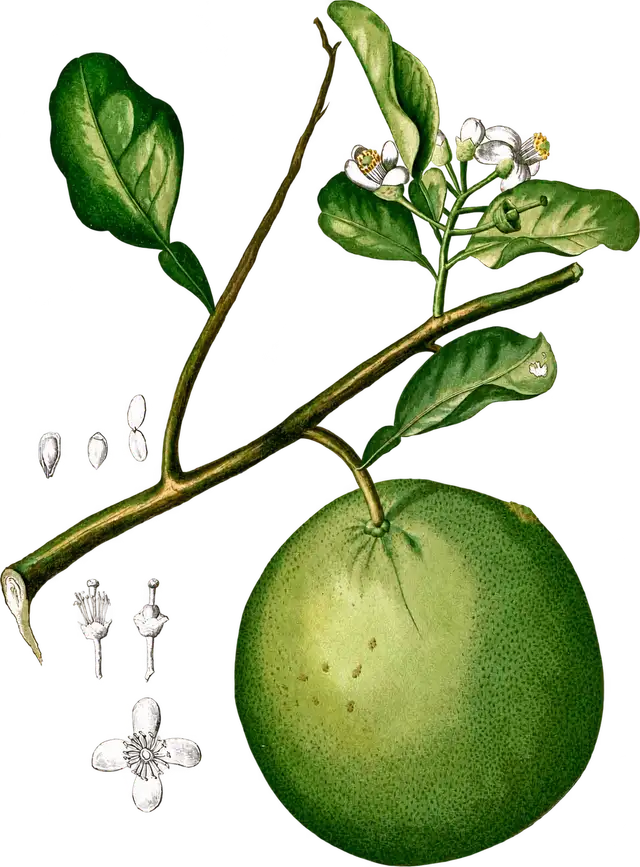
-
Francisco Manuel Blanco · between 1880 and 1883 · Public domain Peel
Citrus aurantium
-
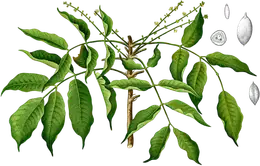
Francisco Manuel Blanco · between 1880 and 1883 · Public domain Resin
Burseraceae
-
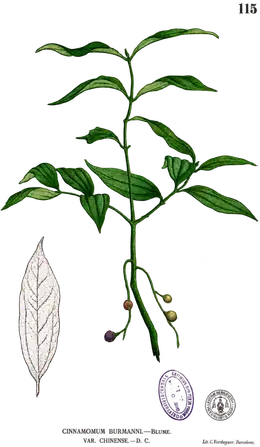
Francisco Manuel Blanco · 1880-1883? · Public domain Wood and bark
Cinnamomum burmanni
-
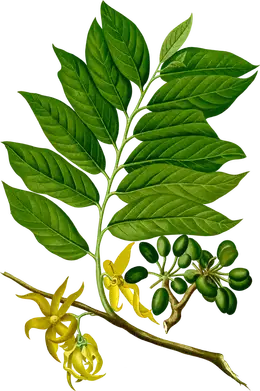
Francisco Manuel Blanco · 1880-1883? · Public domain Flower
Cananga odorata
-
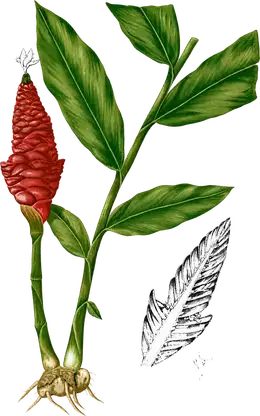
Francisco Manuel Blanco · between 1880 and 1883 · Public domain Rhizome
Zingiber montanum
-
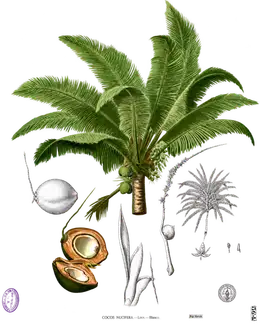
Francisco Manuel Blanco · between 1880 and 1883 · Public domain Carrier
Cocos nucifera
Materials are not one group
What gets called “essential oil” comes from very different parts of a plant. Fruit peel, hardened resin, heartwood, leaf, flower, root, grass. The part taken decides the method of extraction, and the method decides the result.
That is why this register is arranged by plant part rather than by trade name. One tree can give two different materials, and they do not substitute for each other.
Six groups
| Peel | Outer layer of citrus | Cold expression |
|---|---|---|
| Resin | Sap hardened on the trunk | Steam distillation |
| Wood | Heartwood and chips | Long steam distillation |
| Leaf | Leaf and young twig | Steam distillation |
| Flower | Petals and flowering tops | Steam distillation or enfleurage |
| Grass and root | Grass stems, roots | Steam distillation |
Citrus peel is expressed, not distilled. The difference matters: expressed peel carries compounds that make skin sensitive to sunlight.
Why one plant gives more than one material
The bitter orange tree gives three distinct materials: one from the peel, one from the leaf, one from the blossom. All three smell different and cost differently, because the amount of raw material each requires is not the same.
That is the practical reason to read a label down to the plant part rather than stopping at the name.