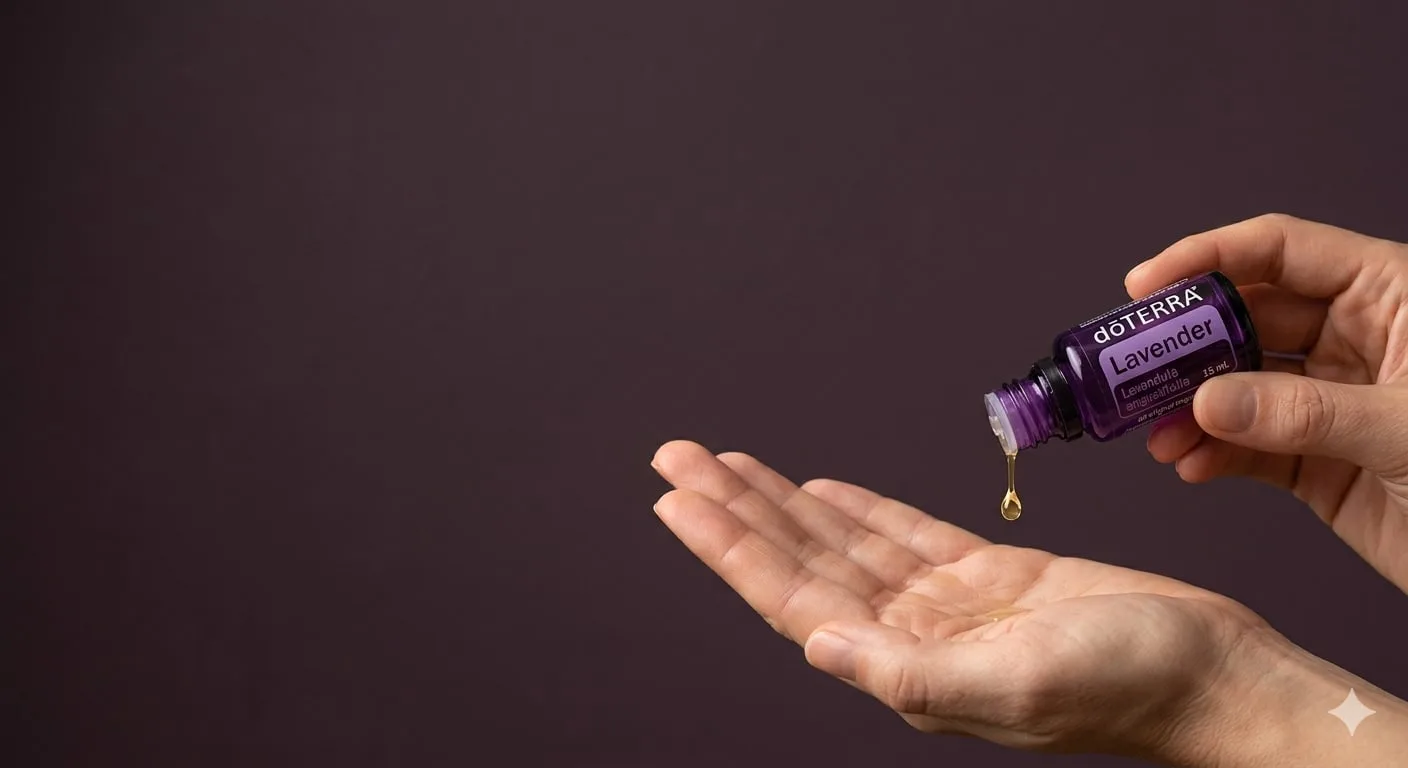
Changing the world one drop, one person, one community at a time.
- 01 One drop Purity of the material — and how to check it yourself.
- 02 One person Partnerships with growers across 42 points of origin.
- 03 One community The size of the network and what it carries.
Map of Origin
Natural materials, gathered from forty-two points of origin.
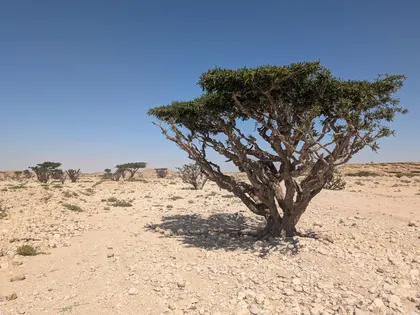
Every material has its place: patchouli from Java, lavender from Bulgaria, frankincense from Oman. Three of those forty-two points are in Indonesia — not imported here, but shipped from here.
- Amber points — where the material is grown and harvested.
- Purple — countries where the community already works.
- Light purple — Europe, published as a single market.
Choose a country of origin
Choose from the list to see its plants and materials.
- Brazil 6 materials
- Canada 2 materials
- Guatemala 1 material
- Haiti 1 material
- Honduras 1 material
- Mexico 1 material
- Paraguay 2 materials
- Peru 1 material
- USA 7 materials
- Egypt 4 materials
- Ethiopia 1 material
- Eswatini 1 material
- Kenya 7 materials
- Madagascar 7 materials
- Morocco 3 materials
- Rwanda 1 material
- Horn of Africa 2 materials
- South Africa 2 materials
- Tanzania 1 material
- Uganda 1 material
- Albania 3 materials
- Bulgaria 4 materials
- Finland 1 material
- France 2 materials
- Greece 1 material
- Italy 3 materials
- Moldova 4 materials
- Spain 3 materials
- Türkiye 1 material
- United Kingdom 1 material
- Australia 4 materials
- China 9 materials
- India 8 materials
- Indonesia 3 materials
- Japan 1 material
- Kazakhstan 1 material
- Nepal 3 materials
- New Zealand 2 materials
- Oman 1 material
- Philippines 1 material
- Sri Lanka 1 material
- Vietnam 3 materials
Tap a point to see the plants behind it.
Equal Earth projection — area on the map is proportional to area on the ground.
The market list comes from the company’s own market selector. Europe is published as ONE market with no country breakdown, so its outline here is geographic rather than a list. Source: doterra.com
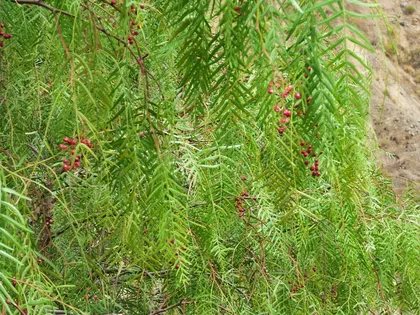
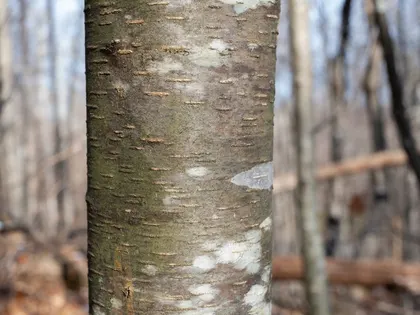
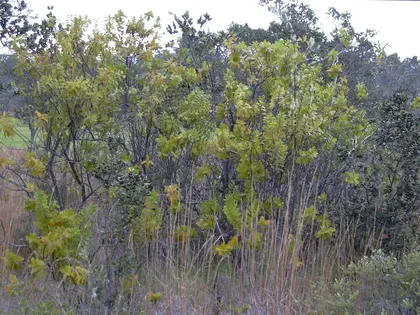
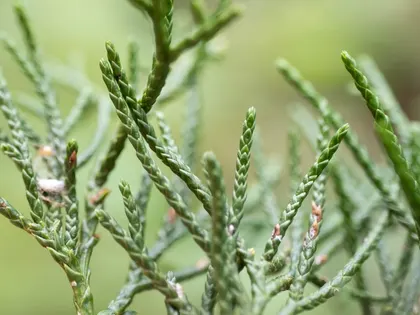
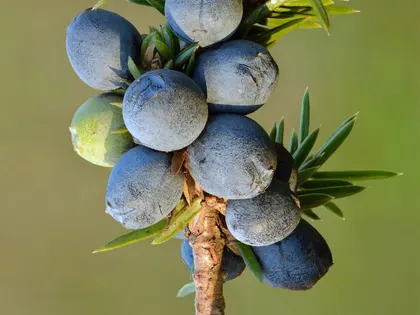
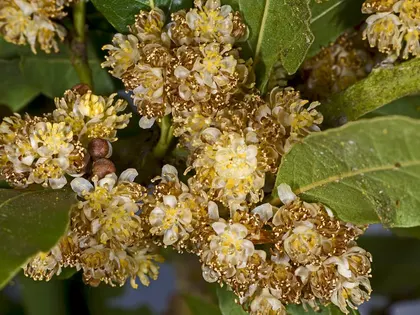
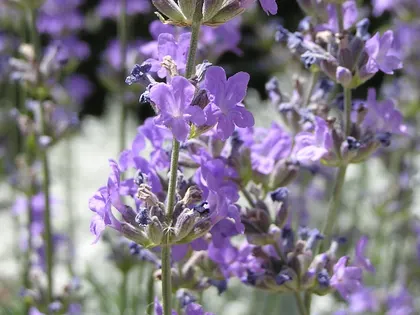
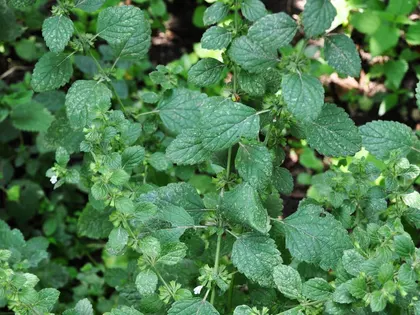
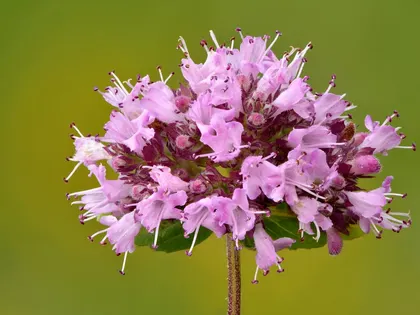
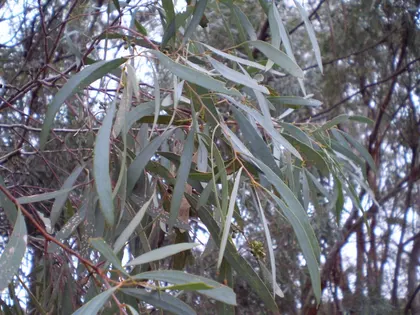
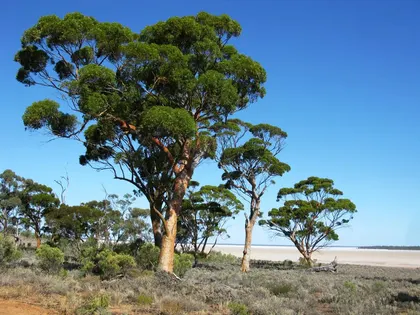
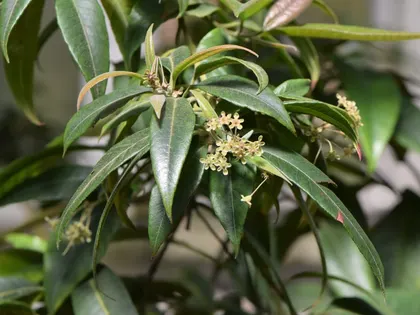
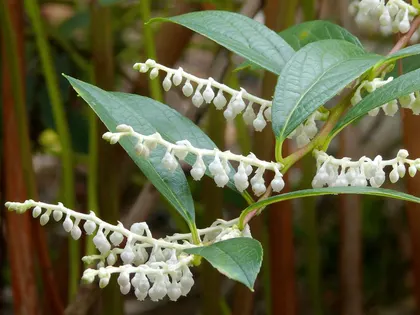
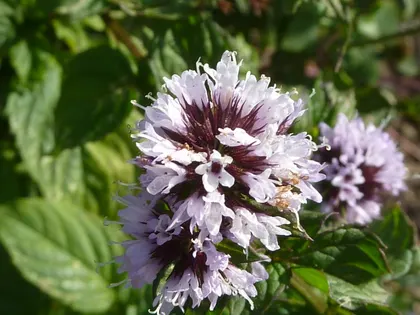
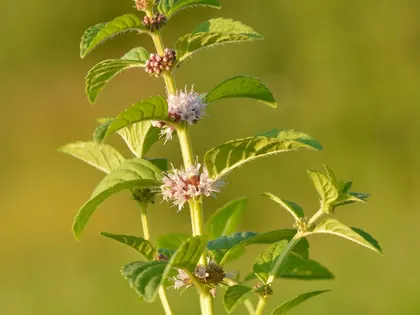
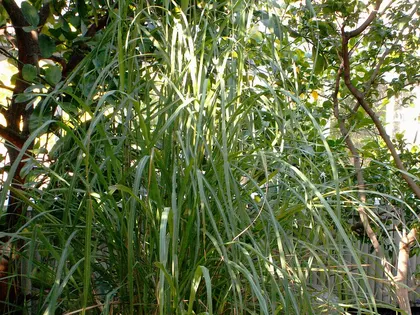
Plant photographs: (85)
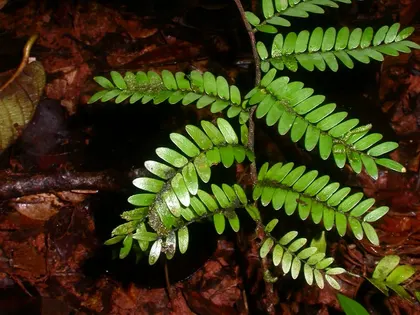
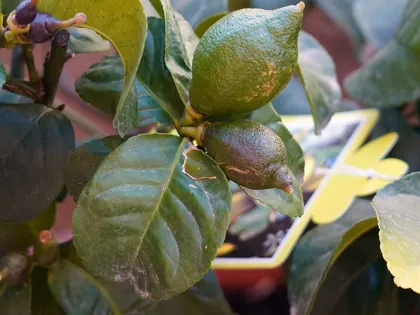
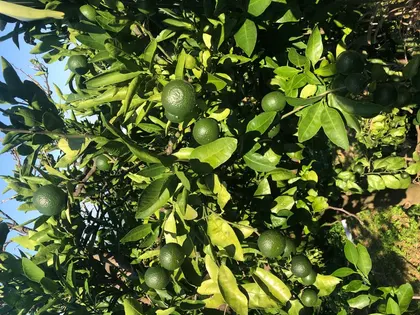
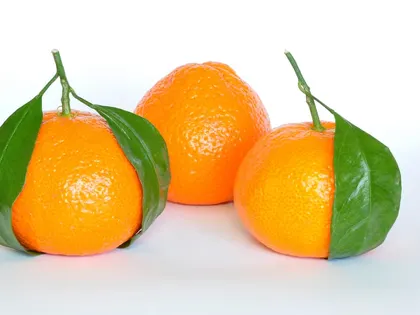
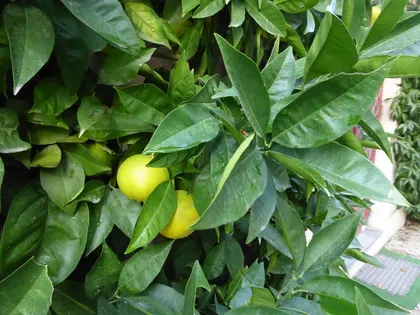
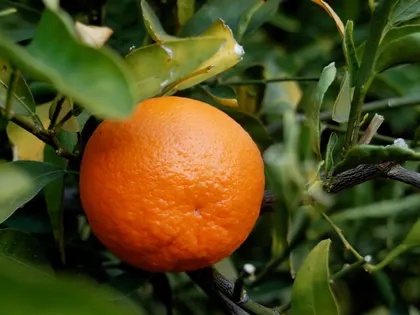
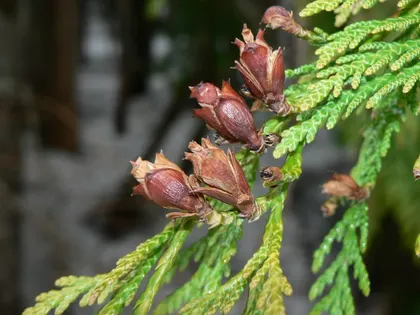
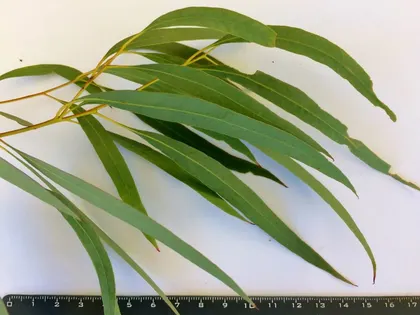
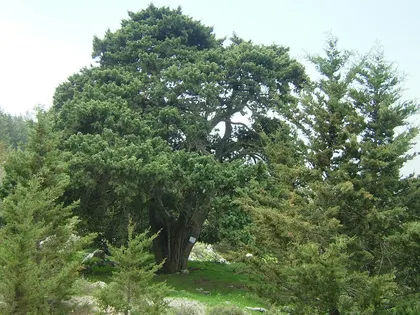
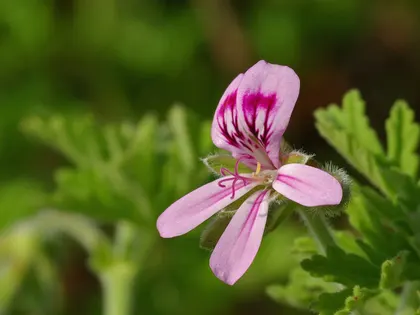
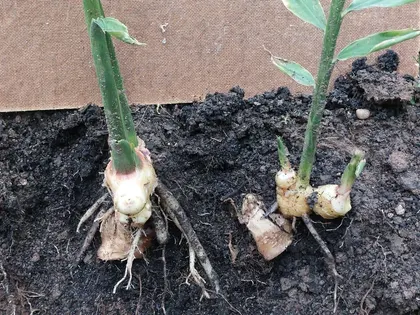
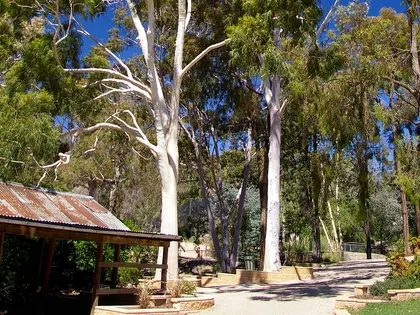
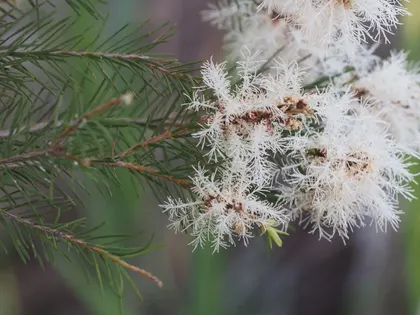
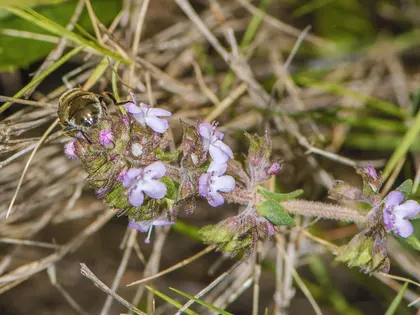
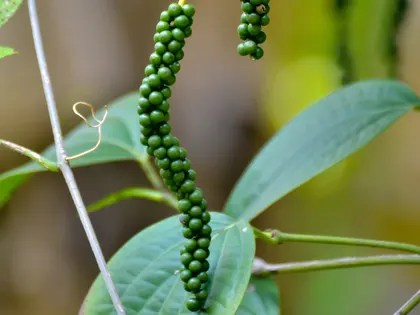
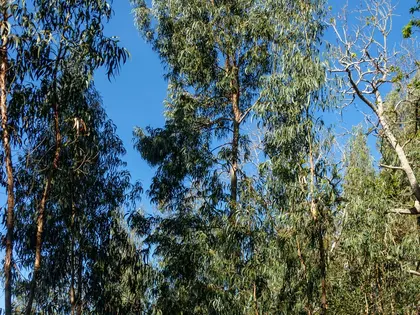
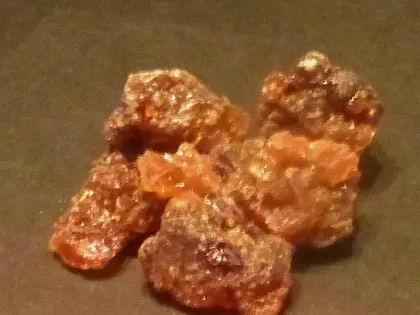
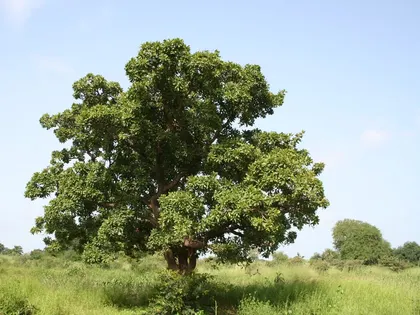
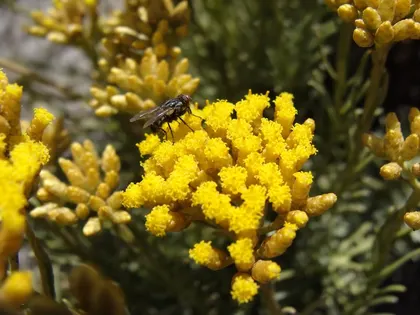
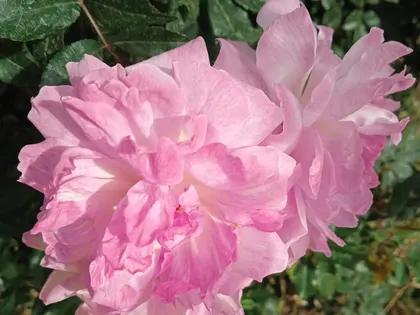
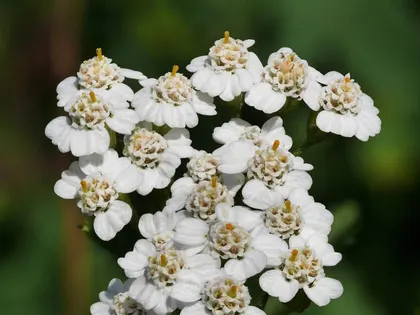
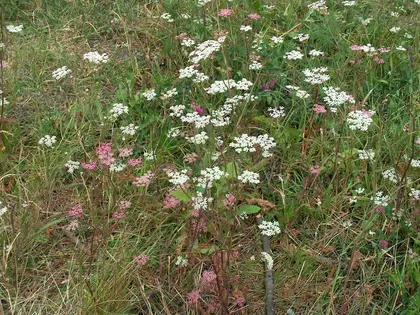
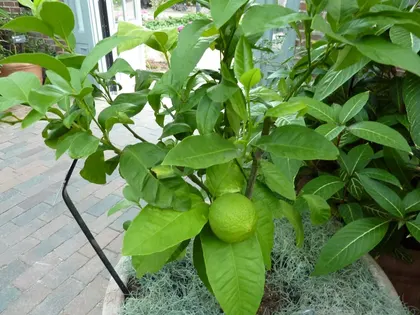
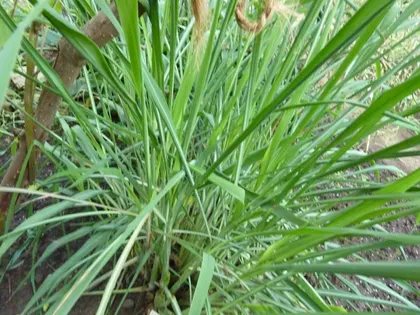
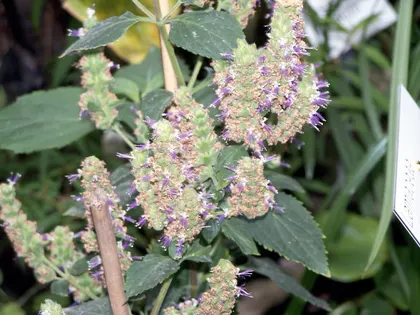
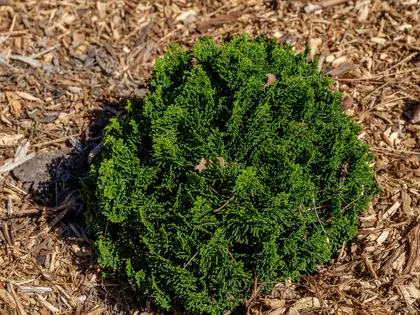
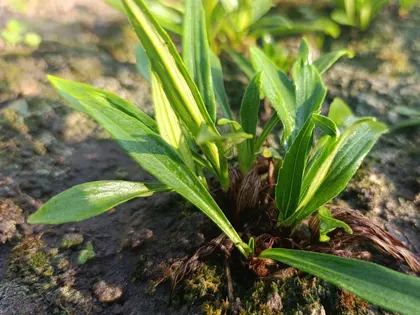
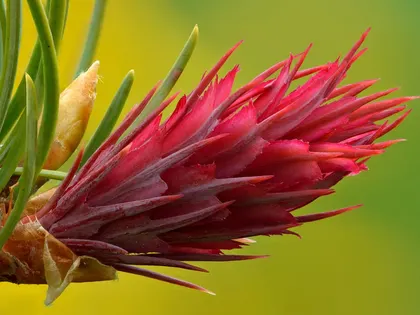
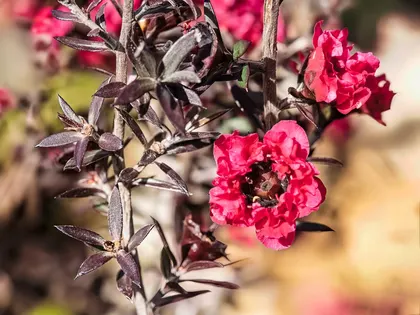
Pogostemon cablin — No machine-readable author provided. Valérie75 assumed (based on copyright claims). · CC BY-SA 3.0; Syzygium aromaticum — tinofrey · Public domain; Cymbopogon nardus — James Steakley · CC BY-SA 3.0; Lavandula angustifolia — Andrey Butko · CC BY-SA 3.0; Mentha piperita — Kızıl · CC BY-SA 4.0; Citrus limon — Commonists · CC BY-SA 4.0; Citrus sinensis — Syrio · CC BY-SA 4.0; Melaleuca alternifolia — Geoff Derrin · CC BY-SA 4.0; Boswellia sacra — Krzysztof Ziarnek, Kenraiz · CC BY-SA 4.0; Cymbopogon flexuosus — Cbaile19 · CC0; Juniperus virginiana — Alex Abair · CC BY 4.0; Origanum vulgare — Ivar Leidus · CC BY-SA 4.0; Curcuma longa — Herusutimbul · CC BY-SA 4.0; Cananga odorata — Prenn · CC BY-SA 3.0; Copaifera officinalis — Eduardo Chacón-Madrigal · CC BY 4.0; Cocos nucifera — Anoopan at Malayalam Wikipedia · CC BY 3.0; Myoporum sandwicense — Forest & Kim Starr · CC BY 3.0; Abies sibirica — Helmmet · CC BY 4.0; Achillea millefolium — Petar Milošević · CC BY-SA 4.0; Backhousia citriodora — Krzysztof Ziarnek, Kenraiz · CC BY-SA 4.0; Betula lenta — Alexander Abair · CC BY 4.0; Bulnesia sarmientoi — Abarmot · Public domain; Carum carvi — Anneli Salo · CC BY-SA 3.0; Chamaecyparis obtusa — Michal Klajban · CC BY-SA 4.0; Chamaemelum nobile — Fir0002 20D · GFDL 1.2; Chrysopogon zizanioides — Copyright © 2005 David Monniaux · CC BY-SA 3.0; Cinnamomum cassia — H. Zell · CC BY-SA 3.0; Cinnamomum verum — Simon A. Eugster · CC BY-SA 3.0 · Background removed; Citrus aurantifolia — AlexandreAssatiani · CC BY 4.0; Citrus aurantium — A. Barra · CC BY-SA 4.0; Citrus aurantium — A. Barra · CC BY-SA 4.0; Citrus bergamia — James Steakley · CC BY-SA 3.0; Citrus paradisi — Citrus_paradisi_(Grapefruit,_pink).jpg: א (Aleph) derivative work: — raeky · CC BY-SA 2.5 · Background removed; Citrus reticulata — Joe Ravi · CC BY-SA 3.0; Citrus tangerina — Barfooz (Brent Ramerth) · CC BY-SA 3.0; Commiphora myrrha — Nesnad · CC BY 4.0; Coriandrum sativum — Didier Descouens · CC BY-SA 4.0; Coriandrum sativum — Didier Descouens · CC BY-SA 4.0; Corymbia citriodora — Bidgee · CC BY 3.0; Cupressus sempervirens — Chneophytou · CC BY-SA 3.0; Elettaria cardamomum — Didier Descouens · CC BY-SA 4.0; Eucalyptus globulus — H. Zell · CC BY-SA 3.0; Eucalyptus polybractea — John Moss · Public domain; Eucalyptus radiata — Geekstreet · CC BY-SA 4.0; Foeniculum vulgare — Alvesgaspar · CC BY-SA 3.0; Gaultheria fragrantissima — Jamer Gaither · CC BY 2.5; Helichrysum italicum — Fernando Losada Rodríguez · CC BY-SA 4.0; Helichrysum italicum — Fernando Losada Rodríguez · CC BY-SA 4.0; Illicium verum — Sanjay Acharya · CC BY-SA 4.0 · Background removed; Jasminum grandiflorum — Juan Carlos Fonseca Mata · CC BY-SA 4.0; Juniperus communis — Ivar Leidus · CC BY-SA 4.0; Laurus nobilis — Didier Descouens · CC BY-SA 4.0; Leptospermum scoparium — Didier Descouens · CC BY-SA 4.0; Liquidambar styraciflua — Dominicus Johannes Bergsma · CC BY-SA 4.0; Litsea cubeba — LiChieh Pan / Flickr user: plj.johnny ( https://www.flickr.com/photos/plj/ ) · CC BY 2.0; Melissa officinalis — Lazaregagnidze · CC BY-SA 4.0; Mentha arvensis — Ivar Leidus · CC BY-SA 3.0; Mentha citrata — Magnus Manske · CC BY-SA 3.0; Mentha spicata — Commonists · CC BY-SA 4.0; Michelia alba — Wouter Hagens · CC BY-SA 4.0; Nardostachys jatamansi — Plantagenet · CC BY-SA 4.0; Nymphaea caerulea — Ermell · CC BY-SA 4.0; Ocimum basilicum — PumpkinSky · CC BY-SA 4.0; Ocimum tenuiflorum — Joydeep · CC BY-SA 3.0; Origanum majorana — H. Zell · CC BY-SA 3.0; Osmanthus fragrans — Laitr Keiows · CC BY-SA 3.0; Pelargonium graveolens — Laitche · Public domain; Picea mariana — Daniel Case · CC BY-SA 3.0; Piper nigrum — K Hari Krishnan · CC BY-SA 3.0; Pseudotsuga menziesii — Ivar Leidus · CC BY-SA 4.0; Ricinus communis — Moonik · CC BY-SA 3.0; Rosa damascena — Riad Salih · CC BY 4.0; Salvia lavandulifolia — Cillas · CC BY-SA 4.0; Salvia rosmarinus — THOR · CC BY 2.0; Salvia sclarea — H. Zell · CC BY-SA 3.0; Santalum paniculatum — Forest & Kim Starr · CC BY 3.0; Santalum spicatum — Aussie Oc · CC BY-SA 4.0; Schinus molle — Charles Gadbois · CC BY 3.0; Thuja plicata — Walter Siegmund (talk) · CC BY-SA 3.0; Thymus vulgaris — Christian Ferrer · CC BY-SA 4.0; Turnera diffusa — H. Zell · CC BY-SA 3.0; Valeriana officinalis — Ivar Leidus · CC BY-SA 4.0; Vanilla planifolia — Diego Delso · CC BY-SA 4.0; Vitellaria paradoxa — Marco Schmidt[1] · CC BY-SA 3.0; Zingiber officinale — Schlaghecken Josef · CC BY-SA 4.0





Size of the Network
12 million
Wellness Advocates and customers
155
Countries shipped to
42
Points of material origin
How the network grew
- 2011 100 000
- 2014 1 000 000
- 2015 2 500 000
- 2018 5 000 000
- 2026 12 000 000
Global figures from company publications. There is no per-country breakdown, and we do not invent one. Source: doterra.com
Forty-two points
Asia and Oceania 12
- Australia
- Eucalyptus (kochii, loxliss, polybractea), Sandalwood, Tea Tree, Lemon Myrtle
- China
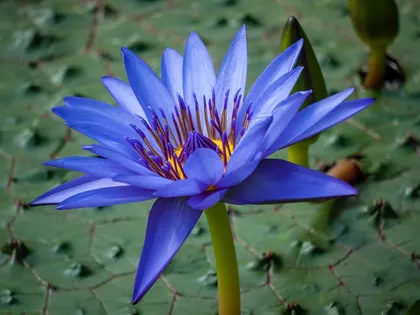
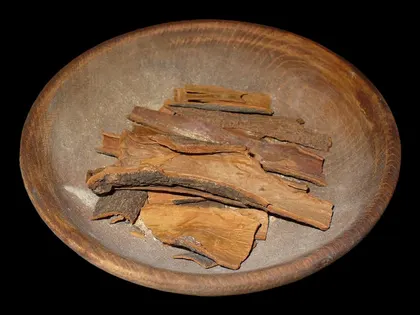
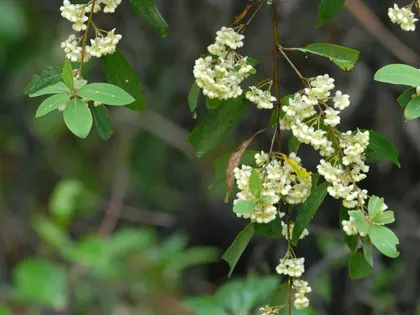
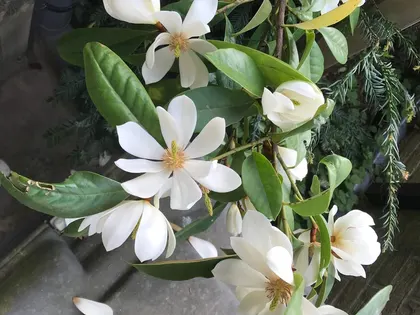
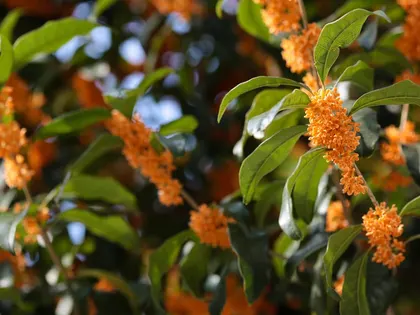
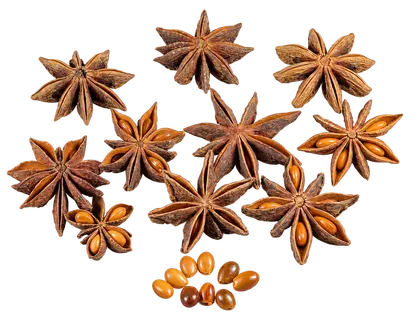
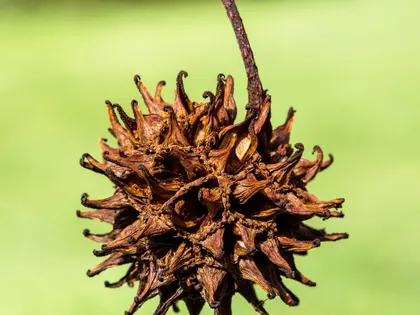
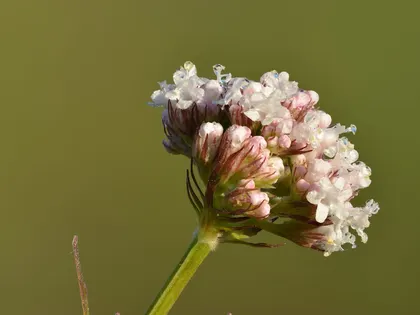
- Blue Lotus, Cassia, Litsea, Magnolia, Osmanthus, Star Anise, Sweet Gum, Valerian, Wintergreen
- India
- Bergamot Mint, Japanese Mint, Lemongrass, Peppermint, Spearmint, Tulsi (Holy Basil), Turmeric, Castor Oil
- Indonesia
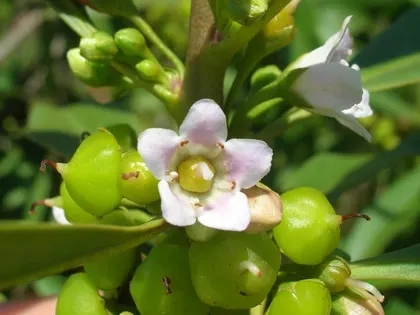
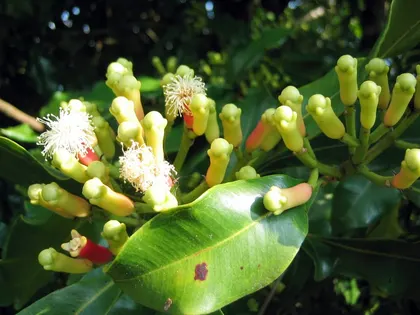
- Citronella, Clove Bud, Patchouli
- Japan
- Hinoki
- Kazakhstan
- Siberian Fir
- Nepal
- Spikenard, Turmeric, Wintergreen
- New Zealand
- Douglas Fir, Manuka
- Oman
- Frankincense
- Philippines
- Fractionated Coconut
- Sri Lanka
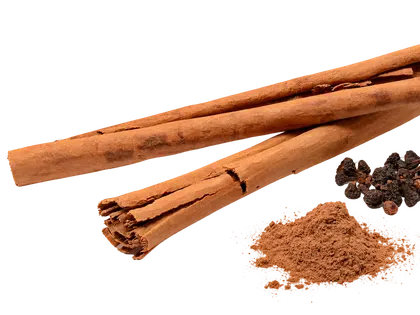
- Cinnamon
- Vietnam
- Cassia, Ginger, Star Anise
Africa 11
- Egypt
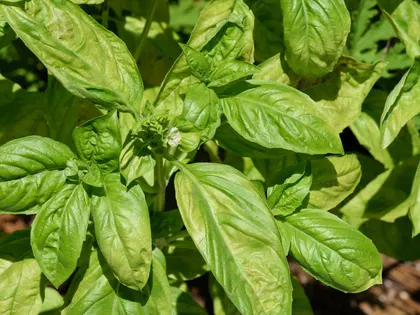
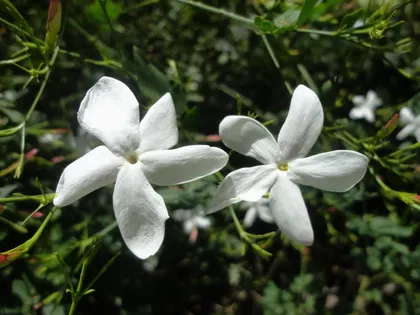
- Basil, Jasmine, Marjoram, Neroli
- Ethiopia
- Frankincense
- Eswatini
- Eucalyptus (radiata)
- Kenya
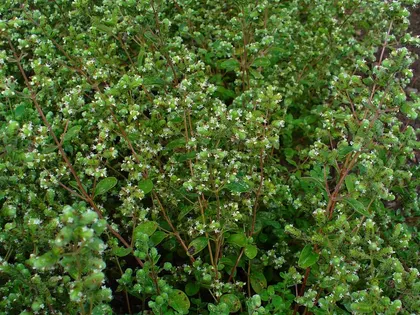
- Cypress, Geranium, Ginger, Lemon Eucalyptus, Pink Pepper, Tea Tree, Thyme
- Madagascar
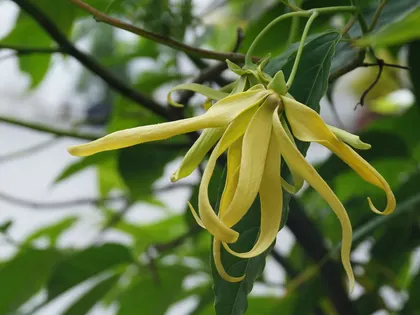
- Black Pepper, Cinnamon, Clove Bud, Geranium, Ginger, Vanilla, Ylang Ylang
- Morocco
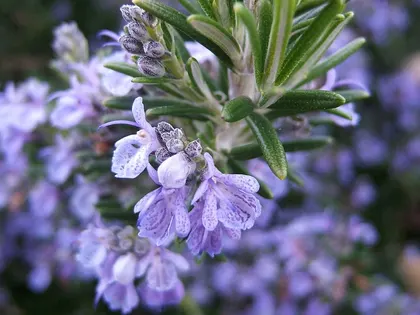
- Blue Tansy, Cypress, Rosemary
- Rwanda
- Eucalyptus (globulus)
- Horn of Africa
- Frankincense, Myrrh
- South Africa
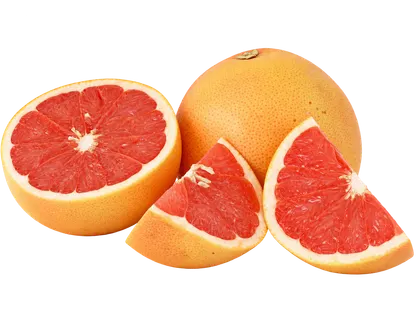
- Eucalyptus (radiata), Grapefruit
- Tanzania
- Ginger
- Uganda
- Muyao Shea Butter
Europe 10
- Albania
- Helichrysum, Juniper Berry, Laurel Leaf
- Bulgaria
- Lavender, Melissa, Rose, Yarrow
- Finland
- Caraway
- France
- Helichrysum (Corsica), Lavender
- Greece
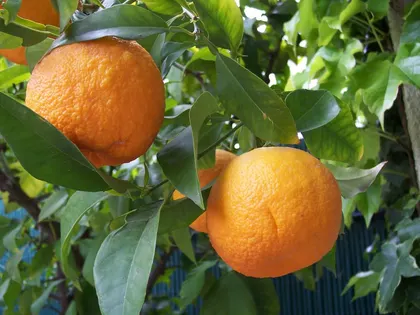
- Orange
- Italy
- Bergamot, Green Mandarin, Lemon
- Moldova
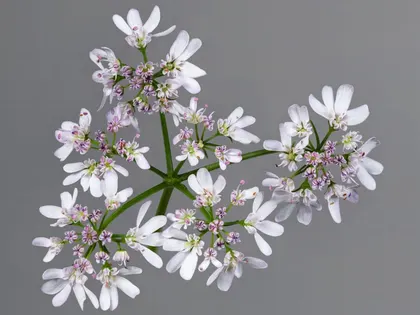
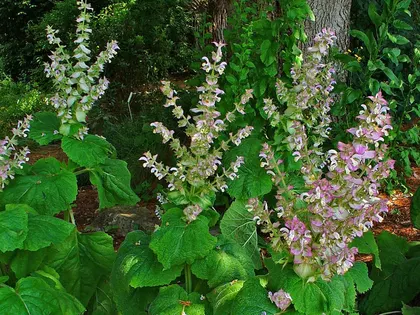
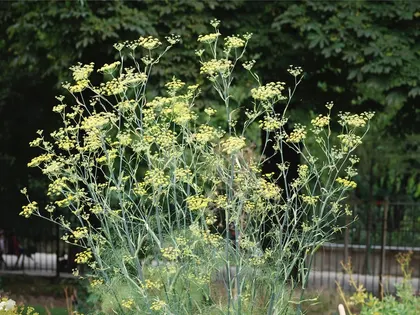
- Cilantro, Clary Sage, Coriander, Fennel
- Spain
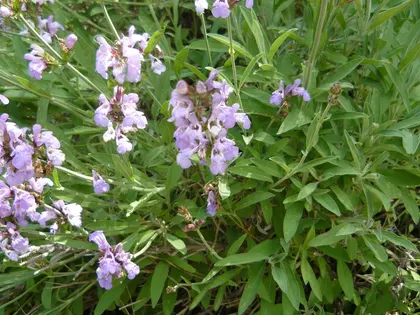
- Cypress, Spanish Sage, Thyme
- Türkiye
- Oregano
- United Kingdom
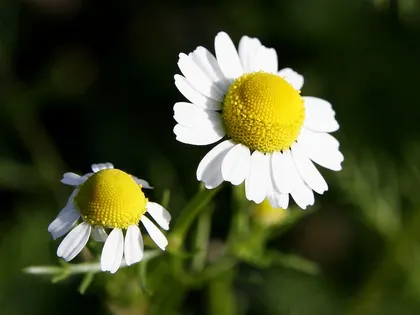
- Roman Chamomile
The Americas 9
- Brazil
- Copaiba, Lemon, Lime, Green Mandarin, Orange, Tangerine
- Canada
- Arborvitae, Black Spruce
- Guatemala
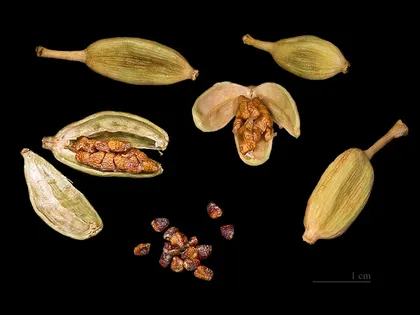
- Cardamom
- Haiti
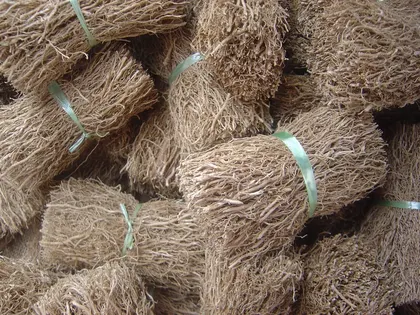
- Vetiver
- Honduras
- Cardamom
- Mexico
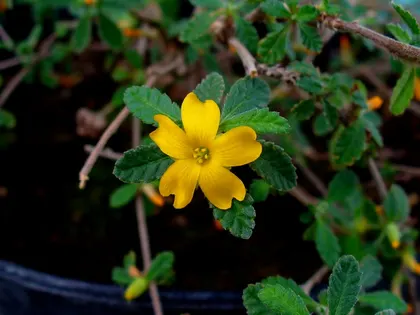
- Damiana
- Paraguay
- Guaiacwood, Petitgrain
- Peru
- Pink Pepper
- USA
- Birch, 'Okina Iliahi (Hawaiian Sandalwood), Cedarwood, Grapefruit, Naio, Peppermint, Roman Chamomile
42 points of origin, all taken from a single company publication. Source: media.doterra.com
The Shelf
Materials and blends
Botanical name, plant part, method of extraction. Not a promise — a description of the material.
-
Essential oil
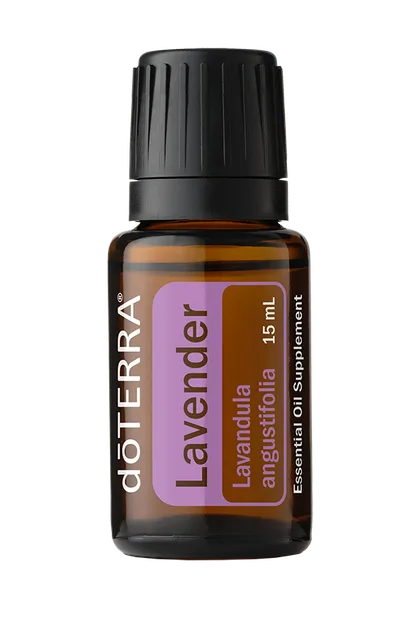
Lavender
Lavandula angustifolia
Flowering tops · Steam distillation
View details -
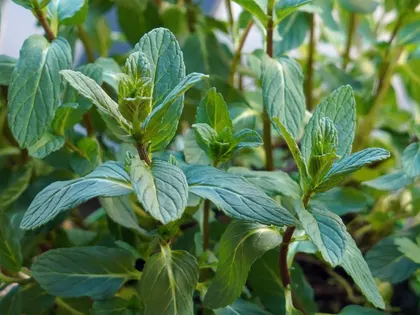
Essential oil
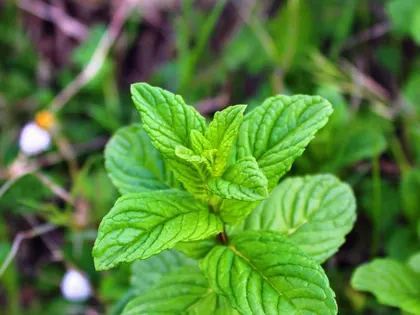
Peppermint
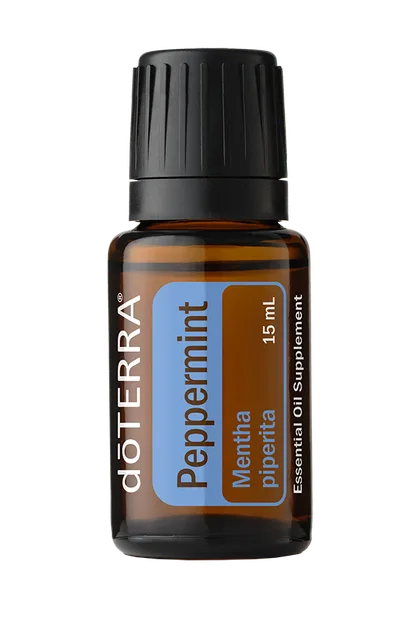
Mentha piperita
Leaf · Steam distillation
View details -
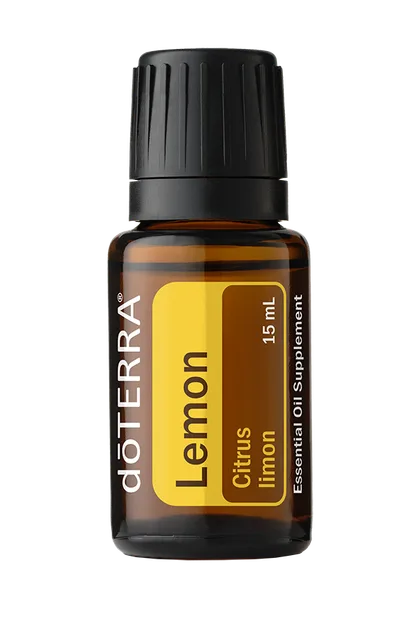
Essential oil
Lemon
Citrus limon
Fruit peel · Cold expression
View details -
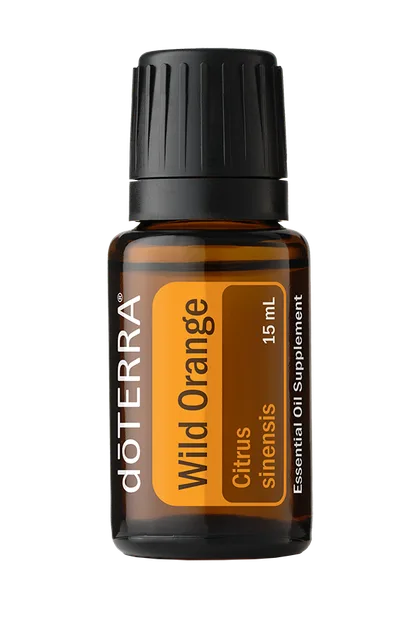
Essential oil
Wild Orange
Citrus sinensis
Fruit peel · Cold expression
View details -
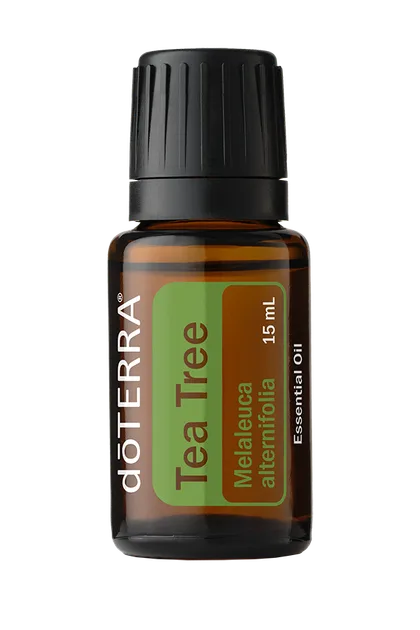
Essential oil
Melaleuca (Tea Tree)
Melaleuca alternifolia
Leaf and twig · Steam distillation
View details -
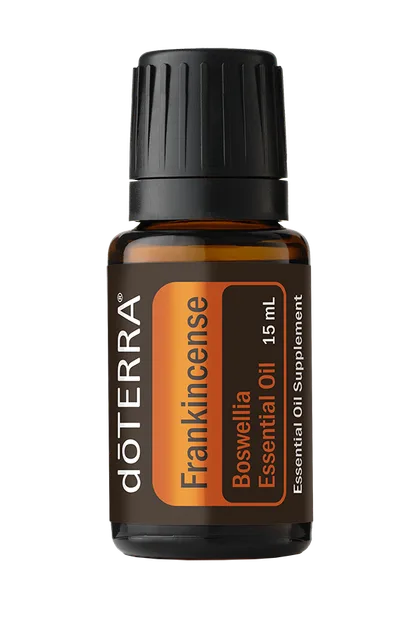
Essential oil
Frankincense
Boswellia carterii
Resin · Steam distillation
View details -
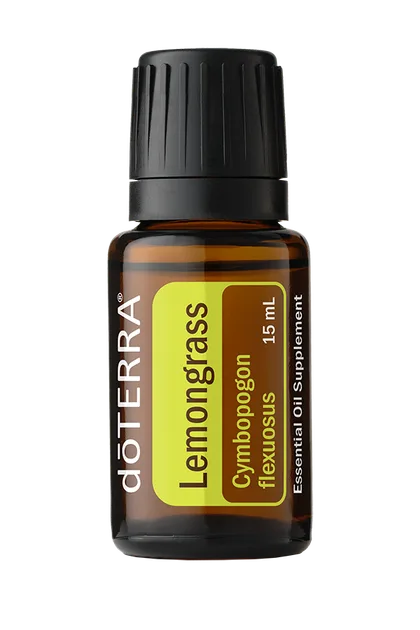
Essential oil
Lemongrass
Cymbopogon flexuosus
Leaf · Steam distillation
View details -
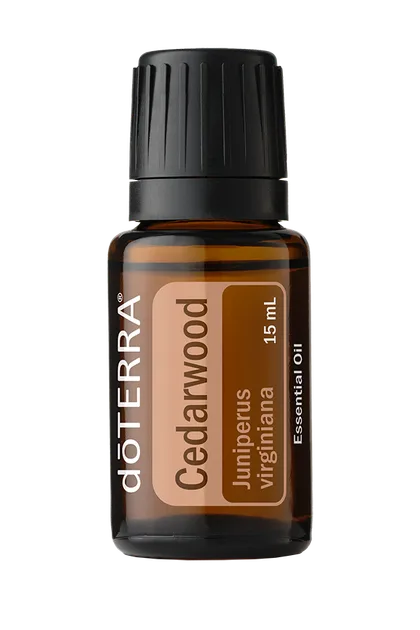
Essential oil
Cedarwood
Juniperus virginiana
Heartwood · Steam distillation
View details -
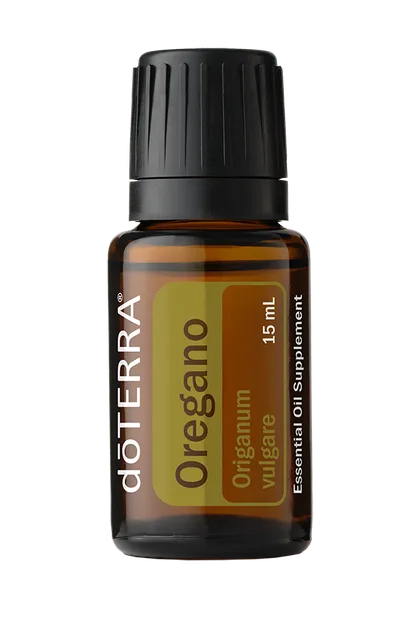
Essential oil
Oregano
Origanum vulgare
Leaf · Steam distillation
View details -
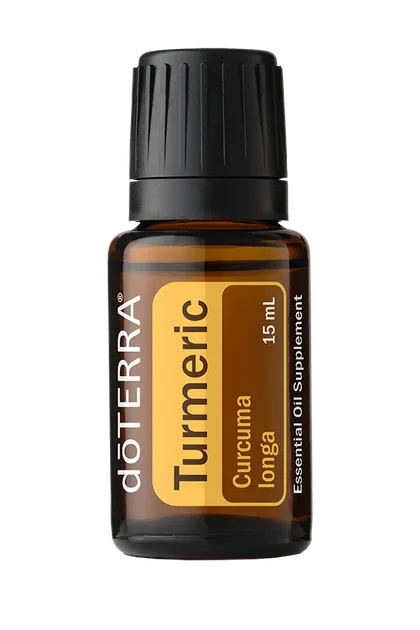
Essential oil
Turmeric
Curcuma longa
Rhizome · Steam distillation
View details -
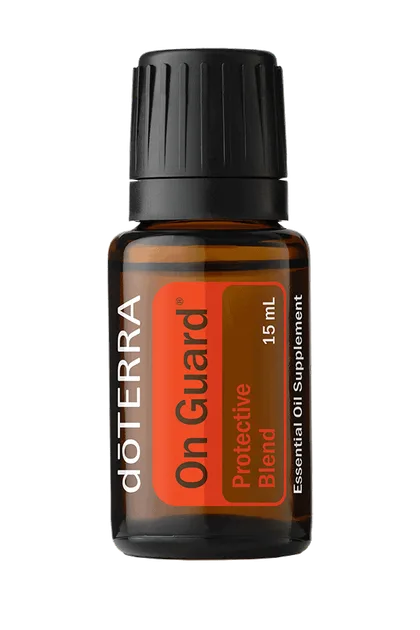
Blend
On Guard
Blend of distilled and expressed materials
View details -
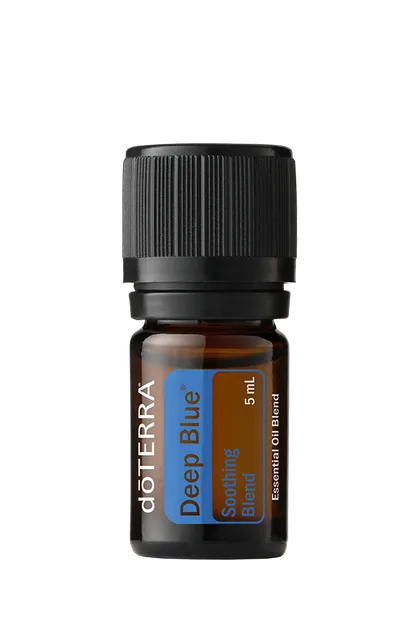
Blend
Deep Blue
Blend of distilled materials
View details -
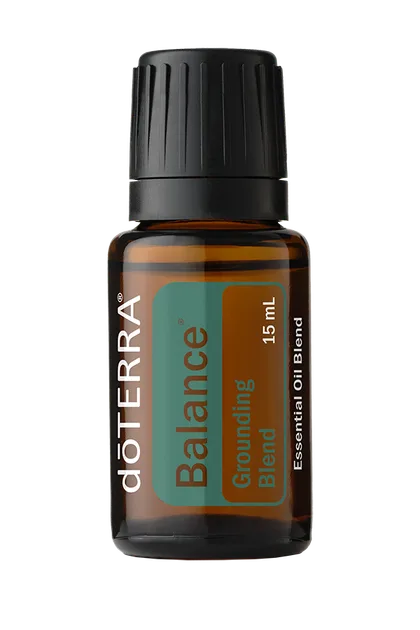
Blend
Balance
Blend of distilled materials in a carrier
View details -
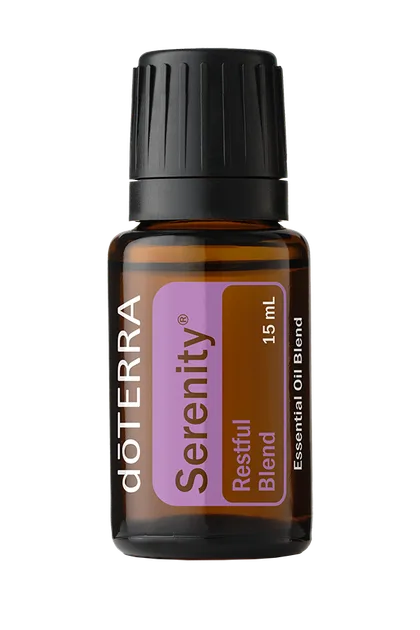
Blend
Serenity
Blend of distilled materials
View details -
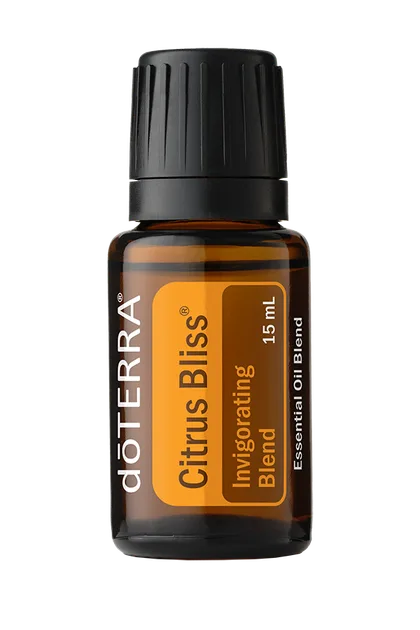
Blend
Citrus Bliss
Blend of expressed and distilled materials
View details -
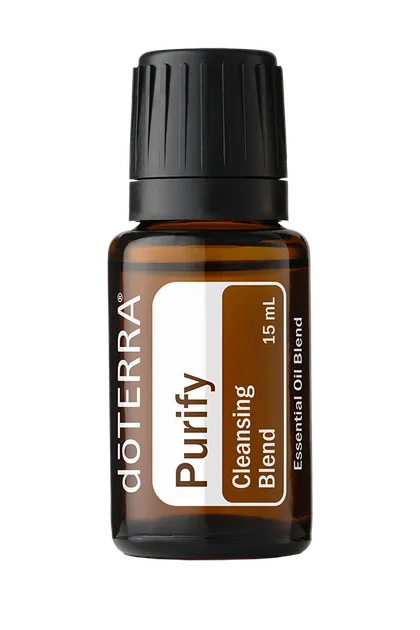
Blend
Purify
Blend of distilled and expressed materials
View details -
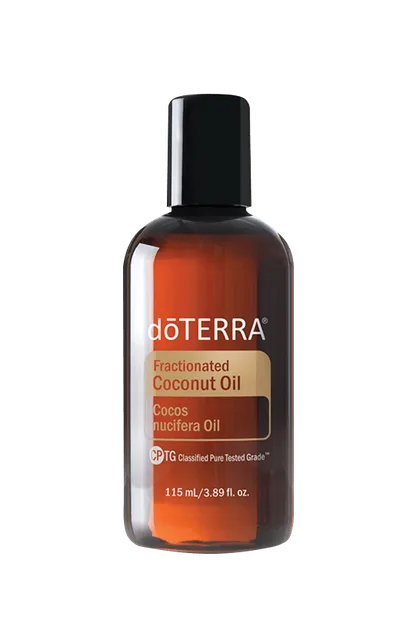
Carrier oil
Fractionated Coconut Oil
Cocos nucifera
Kernel · Fractionation
View details
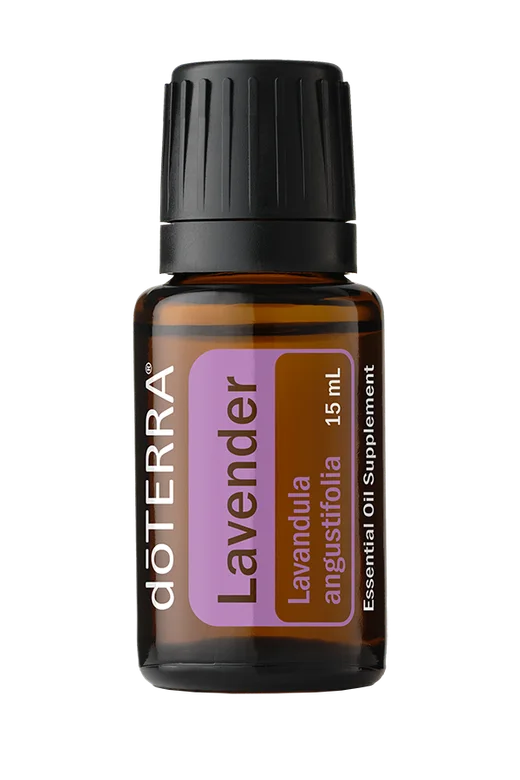
Essential oil
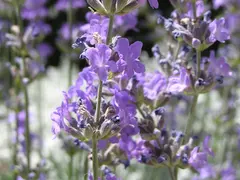
Lavender
Lavandula angustifolia
One of the most widely known aromatic materials. Taken from the flowering tops rather than the leaf — the part used decides the result.
- The material
- Flowering tops · Steam distillation · Herbaceous, floral
- Where it comes from
- Bulgaria, France See on the map
The plant
How to use it, and cautions
How to use it
- Aromatic: add drops to a diffuser as the device directs.
- On skin: always with a carrier oil, such as fractionated coconut.
Cautions
- Possible skin sensitivity.
- Keep out of reach of children.
- If you are pregnant, nursing, or under a doctor’s care, consult your physician.
- Avoid contact with eyes, inner ears, and sensitive areas.
Cautions quoted from the company’s Product Information Page. PIP
Internal use is not listed: in Indonesia these oils are registered as cosmetics, not as products for consumption. Statements about effects will appear here only once the company issues an Approved Claims List.
This page describes the material and its origin. We state no health effects: the oils are registered with BPOM as cosmetics, and effect claims are not permitted in that category.
Essential oil
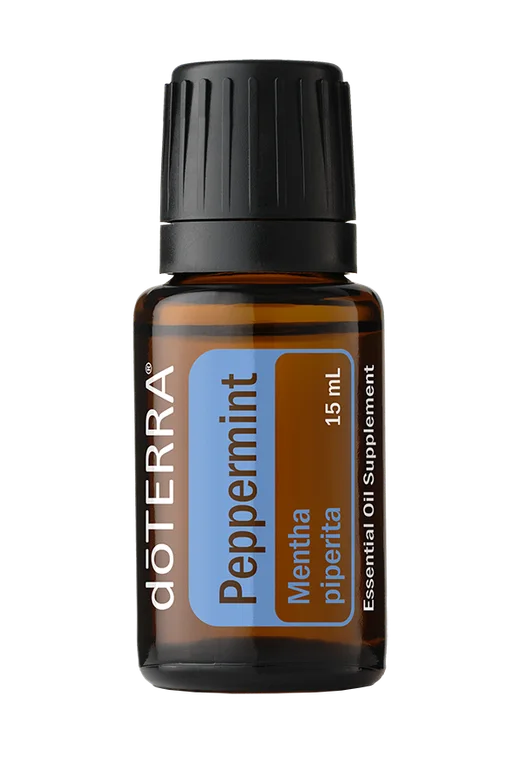
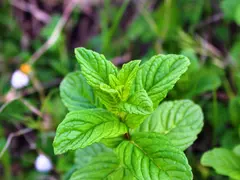
Peppermint
Mentha piperita
A highly concentrated material. Always diluted in practice, and kept away from the faces of young children.
- The material
- Leaf · Steam distillation · Minty, fresh
- Where it comes from
- USA, India See on the map
The plant
How to use it, and cautions
How to use it
- Aromatic: add drops to a diffuser as the device directs.
- On skin: always with a carrier oil, such as fractionated coconut.
Cautions
- Possible skin sensitivity.
- Keep out of reach of children.
- If you are pregnant, nursing, or under a doctor’s care, consult your physician.
- Avoid contact with eyes, inner ears, and sensitive areas.
Cautions quoted from the company’s Product Information Page. PIP
Internal use is not listed: in Indonesia these oils are registered as cosmetics, not as products for consumption. Statements about effects will appear here only once the company issues an Approved Claims List.
This page describes the material and its origin. We state no health effects: the oils are registered with BPOM as cosmetics, and effect claims are not permitted in that category.
Essential oil
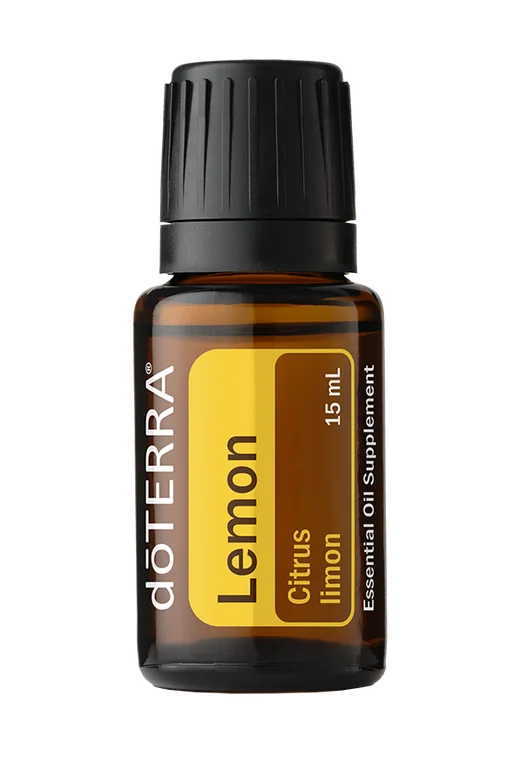
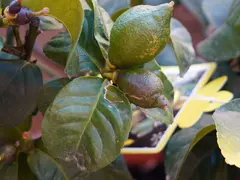
Lemon
Citrus limon
Expressed rather than distilled: the oil lives in the glands of the peel. Like other expressed citrus, it is phototoxic — avoid direct sun on treated skin.
- The material
- Fruit peel · Cold expression · Citrus, bright
- Where it comes from
- Brazil, Italy See on the map
The plant
How to use it, and cautions
How to use it
- Aromatic: add drops to a diffuser as the device directs.
- On skin: always with a carrier oil, such as fractionated coconut.
Cautions
- Avoid sunlight and UV rays for at least 12 hours after applying product.
- Possible skin sensitivity.
- Keep out of reach of children.
- If you are pregnant, nursing, or under a doctor’s care, consult your physician.
- Avoid contact with eyes, inner ears, and sensitive areas.
Cautions quoted from the company’s Product Information Page. PIP
Internal use is not listed: in Indonesia these oils are registered as cosmetics, not as products for consumption. Statements about effects will appear here only once the company issues an Approved Claims List.
This page describes the material and its origin. We state no health effects: the oils are registered with BPOM as cosmetics, and effect claims are not permitted in that category.
Essential oil
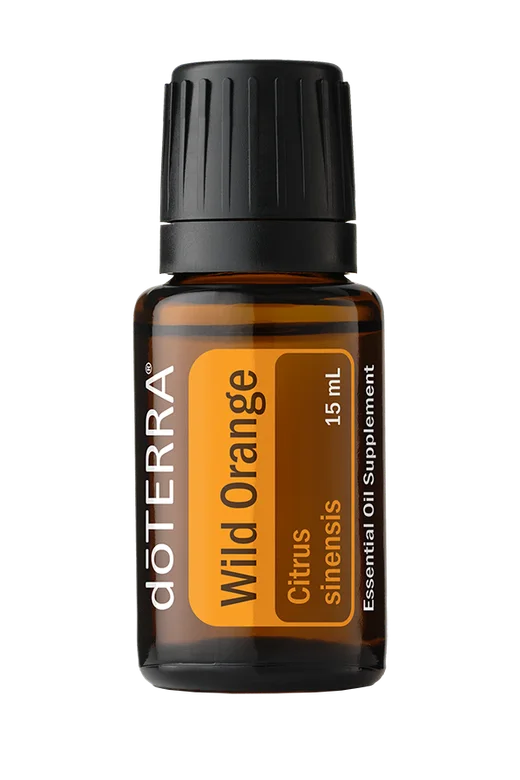
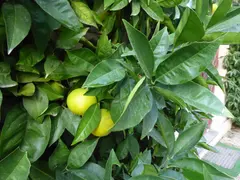
Wild Orange
Citrus sinensis
Like lemon, pressed from the peel. An expressed citrus, so the same note about sunlight applies.
- The material
- Fruit peel · Cold expression · Citrus, sweet
- Where it comes from
- Brazil, Greece See on the map
The plant
How to use it, and cautions
How to use it
- Aromatic: add drops to a diffuser as the device directs.
- On skin: always with a carrier oil, such as fractionated coconut.
Cautions
- Avoid sunlight and UV rays for at least 12 hours after applying product.
- Possible skin sensitivity.
- Keep out of reach of children.
- If you are pregnant, nursing, or under a doctor’s care, consult your physician.
- Avoid contact with eyes, inner ears, and sensitive areas.
Cautions quoted from the company’s Product Information Page. PIP
Internal use is not listed: in Indonesia these oils are registered as cosmetics, not as products for consumption. Statements about effects will appear here only once the company issues an Approved Claims List.
This page describes the material and its origin. We state no health effects: the oils are registered with BPOM as cosmetics, and effect claims are not permitted in that category.
Essential oil
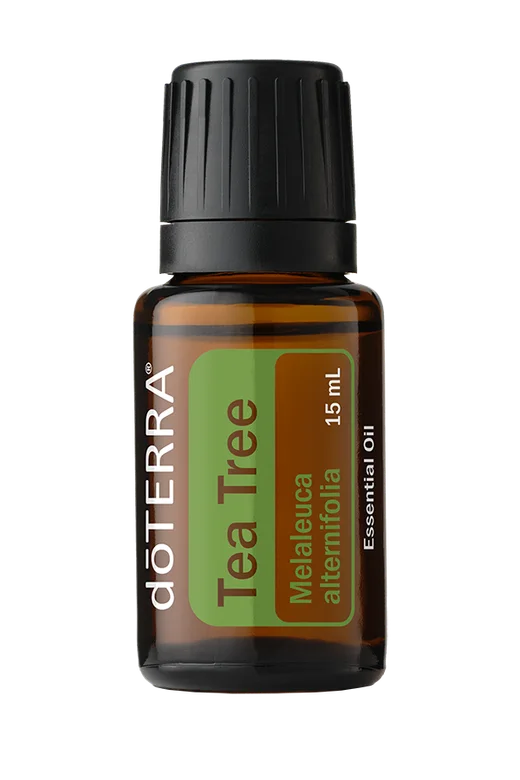
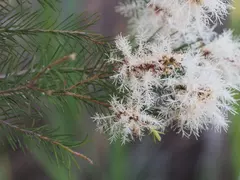
Melaleuca (Tea Tree)
Melaleuca alternifolia
Australian in origin. Belongs to the skin-care group in the cosmetic sense of the word.
- The material
- Leaf and twig · Steam distillation · Woody, herbaceous
- Where it comes from
- Kenya, Australia See on the map
The plant
How to use it, and cautions
How to use it
- Aromatic: add drops to a diffuser as the device directs.
- On skin: always with a carrier oil, such as fractionated coconut.
Cautions
- Possible skin sensitivity.
- Keep out of reach of children.
- If you are pregnant, nursing, or under a doctor’s care, consult your physician.
- Avoid contact with eyes, inner ears, and sensitive areas.
Cautions quoted from the company’s Product Information Page. PIP
Internal use is not listed: in Indonesia these oils are registered as cosmetics, not as products for consumption. Statements about effects will appear here only once the company issues an Approved Claims List.
This page describes the material and its origin. We state no health effects: the oils are registered with BPOM as cosmetics, and effect claims are not permitted in that category.
Essential oil
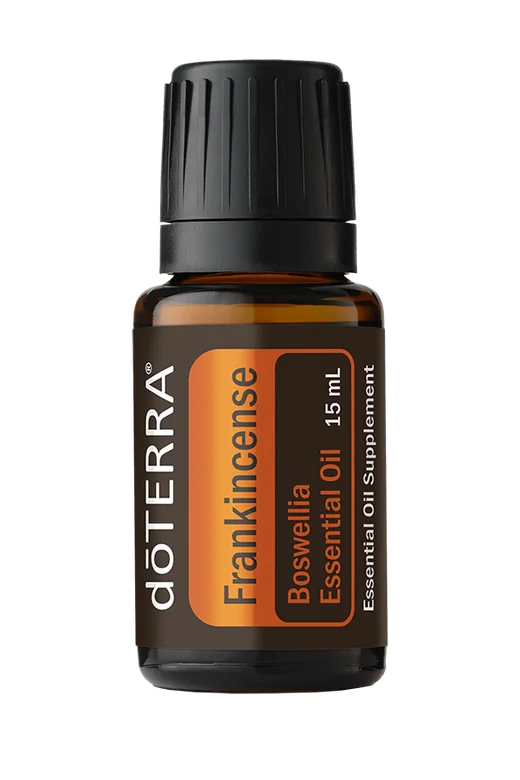
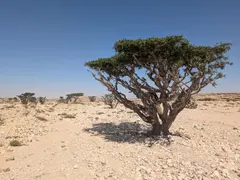
Frankincense
Boswellia carterii
Not from leaf or flower but from hardened sap on the trunk. Among the oldest recorded aromatic materials.
- The material
- Resin · Steam distillation · Resinous, balsamic
- Where it comes from
- Ethiopia, Horn of Africa, Oman See on the map
The plant
How to use it, and cautions
How to use it
- Aromatic: add drops to a diffuser as the device directs.
- On skin: always with a carrier oil, such as fractionated coconut.
Cautions
- Possible skin sensitivity.
- Keep out of reach of children.
- If you are pregnant, nursing, or under a doctor’s care, consult your physician.
- Avoid contact with eyes, inner ears, and sensitive areas.
Cautions quoted from the company’s Product Information Page. PIP
Internal use is not listed: in Indonesia these oils are registered as cosmetics, not as products for consumption. Statements about effects will appear here only once the company issues an Approved Claims List.
This page describes the material and its origin. We state no health effects: the oils are registered with BPOM as cosmetics, and effect claims are not permitted in that category.
Essential oil
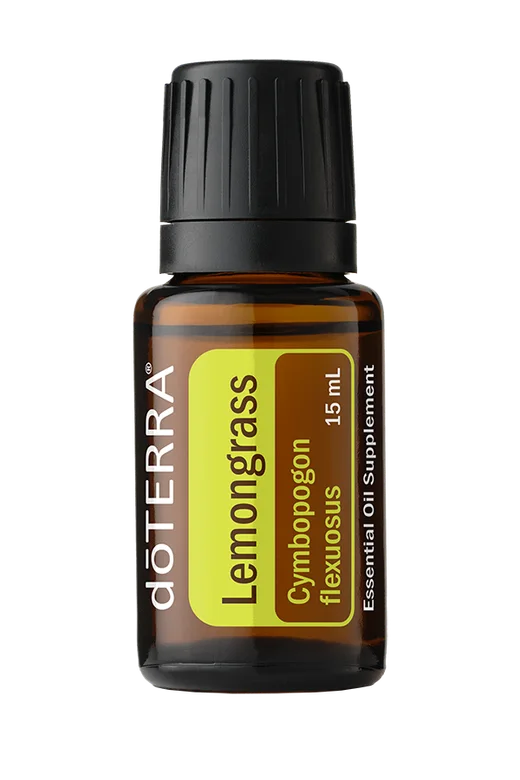
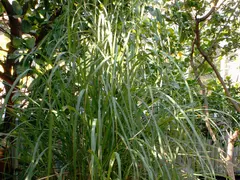
Lemongrass
Cymbopogon flexuosus
A grass, neither tree nor flower. A close relative of kitchen lemongrass, though a different species.
- The material
- Leaf · Steam distillation · Grassy, citrus
- Where it comes from
- India See on the map
The plant
How to use it, and cautions
How to use it
- Aromatic: add drops to a diffuser as the device directs.
- On skin: always with a carrier oil, such as fractionated coconut.
Cautions
- Possible skin sensitivity.
- Keep out of reach of children.
- If you are pregnant, nursing, or under a doctor’s care, consult your physician.
- Avoid contact with eyes, inner ears, and sensitive areas.
Cautions quoted from the company’s Product Information Page. PIP
Internal use is not listed: in Indonesia these oils are registered as cosmetics, not as products for consumption. Statements about effects will appear here only once the company issues an Approved Claims List.
This page describes the material and its origin. We state no health effects: the oils are registered with BPOM as cosmetics, and effect claims are not permitted in that category.
Essential oil
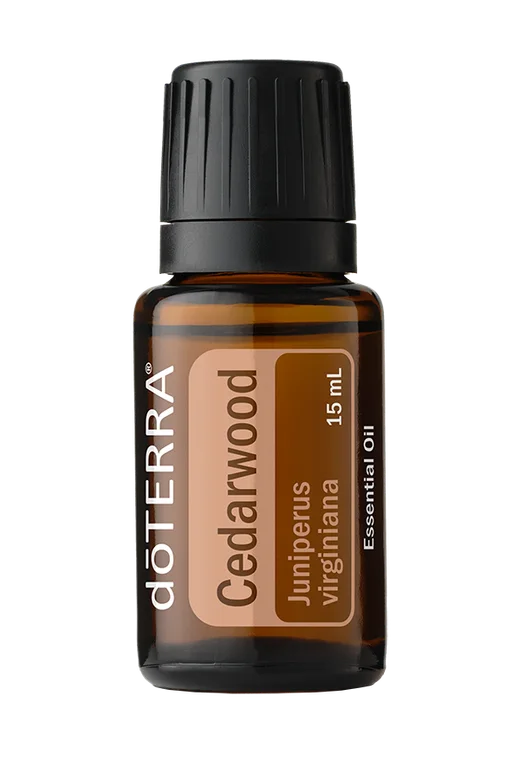
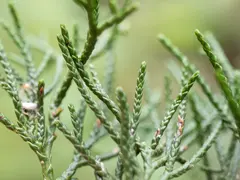
Cedarwood
Juniperus virginiana
Taken from the heartwood, the inner trunk rather than the bark. Despite the name, the species is a juniper.
- The material
- Heartwood · Steam distillation · Woody, dry
- Where it comes from
- USA See on the map
The plant
How to use it, and cautions
How to use it
- Aromatic: add drops to a diffuser as the device directs.
- On skin: always with a carrier oil, such as fractionated coconut.
Cautions
- Possible skin sensitivity.
- Keep out of reach of children.
- If you are pregnant, nursing, or under a doctor’s care, consult your physician.
- Avoid contact with eyes, inner ears, and sensitive areas.
Cautions quoted from the company’s Product Information Page. PIP
Internal use is not listed: in Indonesia these oils are registered as cosmetics, not as products for consumption. Statements about effects will appear here only once the company issues an Approved Claims List.
This page describes the material and its origin. We state no health effects: the oils are registered with BPOM as cosmetics, and effect claims are not permitted in that category.
Essential oil
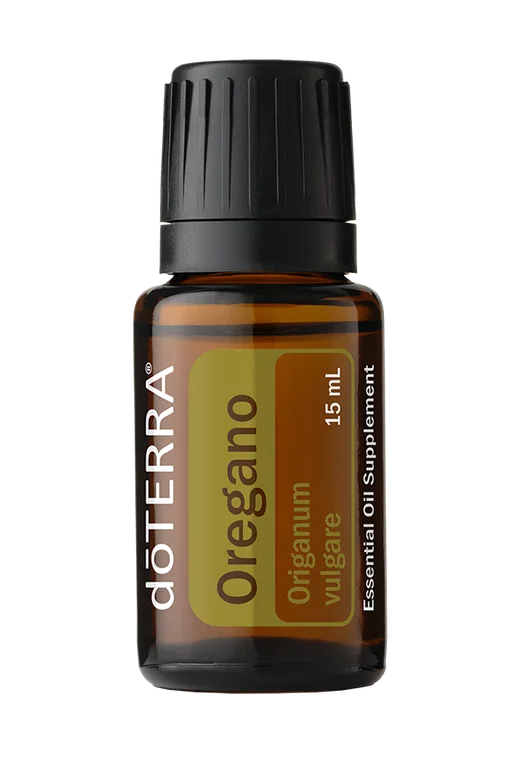
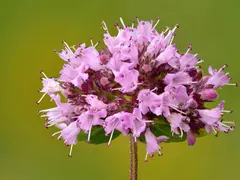
Oregano
Origanum vulgare
Among the most concentrated materials in the herbaceous group. Dilution here is a requirement, not a suggestion.
- The material
- Leaf · Steam distillation · Herbaceous, sharp
- Where it comes from
- Türkiye See on the map
The plant
How to use it, and cautions
How to use it
- Aromatic: add drops to a diffuser as the device directs.
- On skin: always with a carrier oil, such as fractionated coconut.
Cautions
- Possible skin sensitivity.
- Keep out of reach of children.
- If you are pregnant, nursing, or under a doctor’s care, consult your physician.
- Avoid contact with eyes, inner ears, and sensitive areas.
Cautions quoted from the company’s Product Information Page. PIP
Internal use is not listed: in Indonesia these oils are registered as cosmetics, not as products for consumption. Statements about effects will appear here only once the company issues an Approved Claims List.
This page describes the material and its origin. We state no health effects: the oils are registered with BPOM as cosmetics, and effect claims are not permitted in that category.
Essential oil
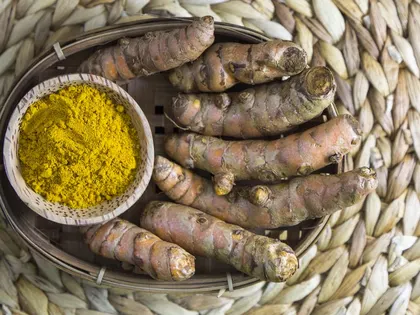
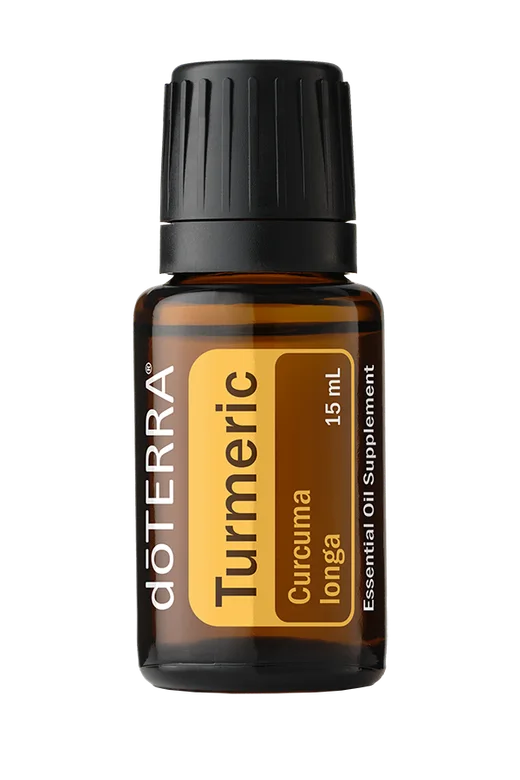
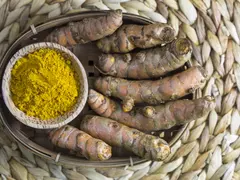
Turmeric
Curcuma longa
From the rhizome, a stem that grows underground rather than a root in the strict sense. The same plant as kitchen turmeric.
- The material
- Rhizome · Steam distillation · Rooty, warm
- Where it comes from
- India, Nepal See on the map
The plant
How to use it, and cautions
How to use it
- Aromatic: add drops to a diffuser as the device directs.
- On skin: always with a carrier oil, such as fractionated coconut.
Cautions
- Possible skin sensitivity.
- Keep out of reach of children.
- If you are pregnant, nursing, or under a doctor’s care, consult your physician.
- Avoid contact with eyes, inner ears, and sensitive areas.
Cautions quoted from the company’s Product Information Page. PIP
Internal use is not listed: in Indonesia these oils are registered as cosmetics, not as products for consumption. Statements about effects will appear here only once the company issues an Approved Claims List.
This page describes the material and its origin. We state no health effects: the oils are registered with BPOM as cosmetics, and effect claims are not permitted in that category.
Blend
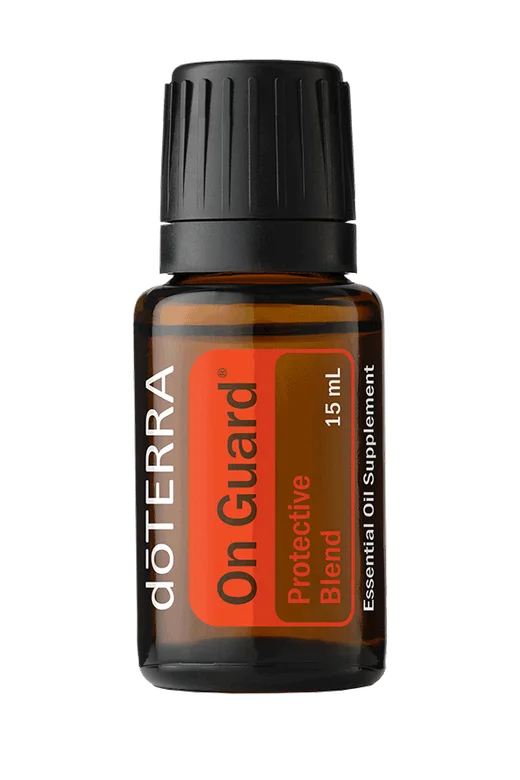
On Guard
A blend of wild orange, clove, cinnamon leaf and bark, eucalyptus and rosemary.
- The material
- Blend of distilled and expressed materials · Warm, spicy, camphoraceous, woody
- Where it comes from
- A blend of several materials — it has no single point of origin.
Plants in the blend (5)
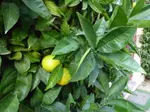 Orange
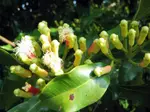 Clove Bud
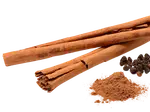 Cinnamon
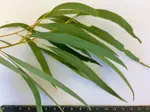 Eucalyptus (radiata)
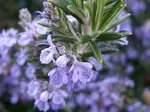 Rosemary
Composition per the company’s publication
How to use it, and cautions
How to use it
- Aromatic: add drops to a diffuser as the device directs.
- On skin: always with a carrier oil, such as fractionated coconut.
Cautions
- Possible skin sensitivity.
- Keep out of reach of children.
- If you are pregnant, nursing, or under a doctor’s care, consult your physician.
- Avoid contact with eyes, inner ears, and sensitive areas.
Cautions quoted from the company’s Product Information Page. PIP
Internal use is not listed: in Indonesia these oils are registered as cosmetics, not as products for consumption. Statements about effects will appear here only once the company issues an Approved Claims List.
This page describes the material and its origin. We state no health effects: the oils are registered with BPOM as cosmetics, and effect claims are not permitted in that category.
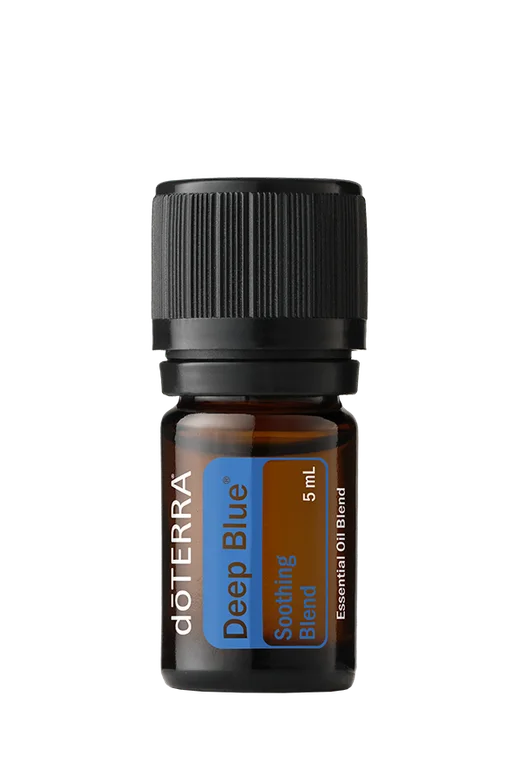
Blend
Deep Blue
A blend of wintergreen, camphor, peppermint, ylang ylang, helichrysum, blue tansy, blue chamomile and osmanthus. The blue comes from chamazulene in blue tansy.
- The material
- Blend of distilled materials · Minty, camphoraceous
- Where it comes from
- A blend of several materials — it has no single point of origin.
Plants in the blend (5)
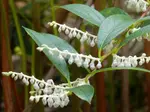 Wintergreen
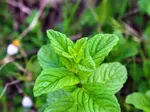 Peppermint
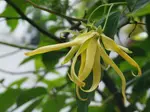 Ylang Ylang
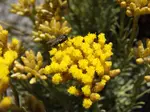 Helichrysum
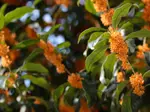 Osmanthus
Composition per the company’s publication
How to use it, and cautions
How to use it
- Aromatic: add drops to a diffuser as the device directs.
- On skin: always with a carrier oil, such as fractionated coconut.
Cautions
- Possible skin sensitivity.
- Keep out of reach of children.
- If you are pregnant, nursing, or under a doctor’s care, consult your physician.
- Avoid contact with eyes, inner ears, and sensitive areas.
Cautions quoted from the company’s Product Information Page. PIP
Internal use is not listed: in Indonesia these oils are registered as cosmetics, not as products for consumption. Statements about effects will appear here only once the company issues an Approved Claims List.
This page describes the material and its origin. We state no health effects: the oils are registered with BPOM as cosmetics, and effect claims are not permitted in that category.
Blend
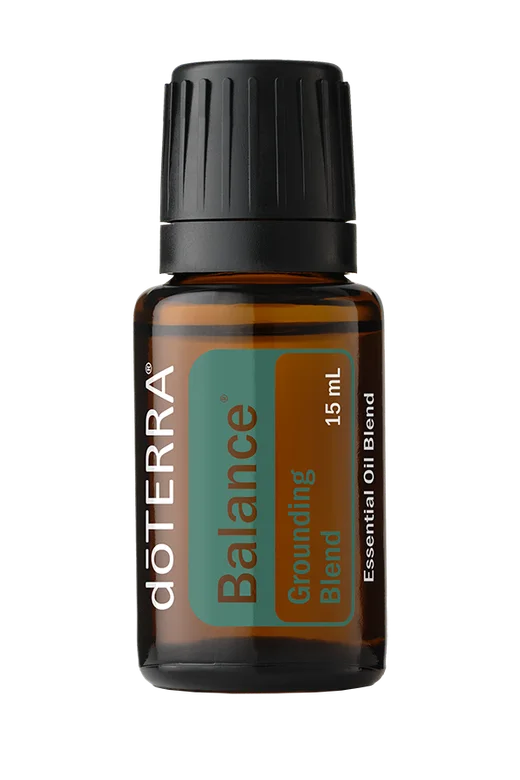
Balance
A blend of fractionated coconut oil, black spruce, ho leaf, frankincense, blue tansy, blue chamomile and osmanthus flower.
- The material
- Blend of distilled materials in a carrier · Airy, fresh, sweet, woody
- Where it comes from
- A blend of several materials — it has no single point of origin.
Plants in the blend (4)
 Fractionated Coconut
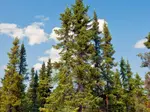 Black Spruce
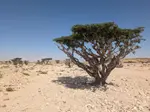 Frankincense
- Osmanthus
Composition per the company’s publication
How to use it, and cautions
How to use it
- Aromatic: add drops to a diffuser as the device directs.
- On skin: always with a carrier oil, such as fractionated coconut.
Cautions
- Possible skin sensitivity.
- Keep out of reach of children.
- If you are pregnant, nursing, or under a doctor’s care, consult your physician.
- Avoid contact with eyes, inner ears, and sensitive areas.
Cautions quoted from the company’s Product Information Page. PIP
Internal use is not listed: in Indonesia these oils are registered as cosmetics, not as products for consumption. Statements about effects will appear here only once the company issues an Approved Claims List.
This page describes the material and its origin. We state no health effects: the oils are registered with BPOM as cosmetics, and effect claims are not permitted in that category.
Blend
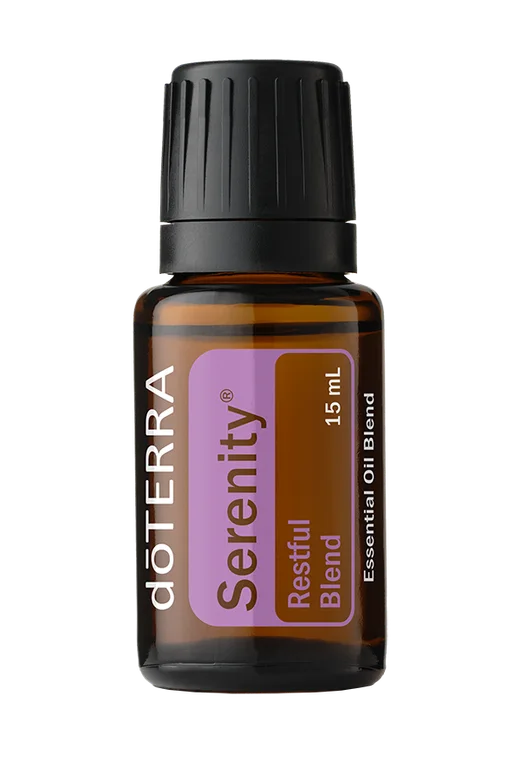
Serenity
A blend of lavender, cedarwood, coriander, ylang ylang, marjoram, Roman chamomile, vetiver, sandalwood, tonka bean and vanilla absolute.
- The material
- Blend of distilled materials · Warm, herbal, floral
- Where it comes from
- A blend of several materials — it has no single point of origin.
Plants in the blend (9)
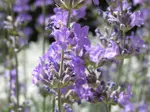 Lavender
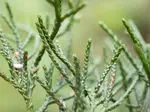 Cedarwood
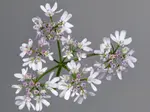 Coriander
- Ylang Ylang
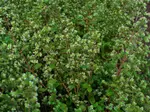 Marjoram
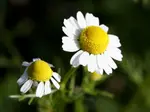 Roman Chamomile
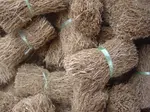 Vetiver
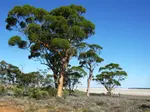 Sandalwood
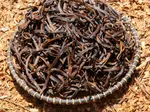 Vanilla
Composition per the company’s publication
How to use it, and cautions
How to use it
- Aromatic: add drops to a diffuser as the device directs.
- On skin: always with a carrier oil, such as fractionated coconut.
Cautions
- Possible skin sensitivity.
- Keep out of reach of children.
- If you are pregnant, nursing, or under a doctor’s care, consult your physician.
- Avoid contact with eyes, inner ears, and sensitive areas.
Cautions quoted from the company’s Product Information Page. PIP
Internal use is not listed: in Indonesia these oils are registered as cosmetics, not as products for consumption. Statements about effects will appear here only once the company issues an Approved Claims List.
This page describes the material and its origin. We state no health effects: the oils are registered with BPOM as cosmetics, and effect claims are not permitted in that category.
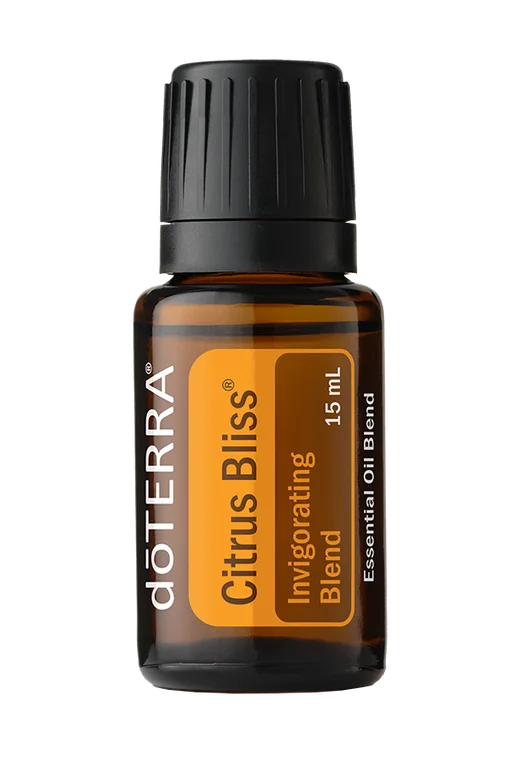
Blend
Citrus Bliss
A blend of wild orange, lemon, grapefruit, bergamot, red mandarin, green mandarin, lime, litsea, tonka bean and vanilla absolute. Mostly expressed citrus, so the note about sunlight applies.
- The material
- Blend of expressed and distilled materials · Citrus, sweet
- Where it comes from
- A blend of several materials — it has no single point of origin.
Plants in the blend (8)
- Orange
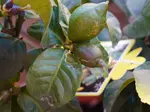 Lemon
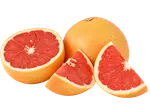 Grapefruit
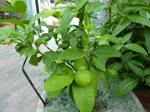 Bergamot
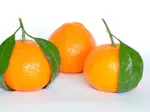 Green Mandarin
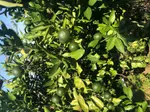 Lime
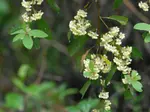 Litsea
- Vanilla
Composition per the company’s publication
How to use it, and cautions
How to use it
- Aromatic: add drops to a diffuser as the device directs.
- On skin: always with a carrier oil, such as fractionated coconut.
Cautions
- Avoid sunlight and UV rays for at least 12 hours after applying product.
- Possible skin sensitivity.
- Keep out of reach of children.
- If you are pregnant, nursing, or under a doctor’s care, consult your physician.
- Avoid contact with eyes, inner ears, and sensitive areas.
Cautions quoted from the company’s Product Information Page. PIP
Internal use is not listed: in Indonesia these oils are registered as cosmetics, not as products for consumption. Statements about effects will appear here only once the company issues an Approved Claims List.
This page describes the material and its origin. We state no health effects: the oils are registered with BPOM as cosmetics, and effect claims are not permitted in that category.
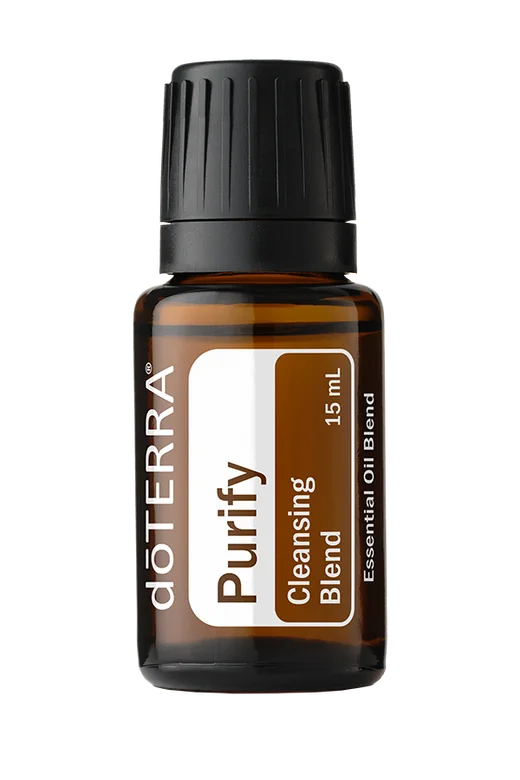
Blend
Purify
A blend of lemon peel, Siberian fir needle, citronella grass, lime peel, tea tree leaf and cilantro herb. The only white label on this shelf.
- The material
- Blend of distilled and expressed materials · Fresh, airy, herbal
- Where it comes from
- A blend of several materials — it has no single point of origin.
Plants in the blend (6)
- Lemon
 Siberian Fir
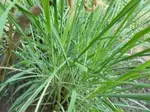 Citronella
- Lime
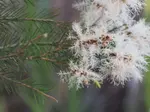 Tea Tree
- Cilantro
Composition per the company’s publication
How to use it, and cautions
How to use it
- Aromatic: add drops to a diffuser as the device directs.
- On skin: always with a carrier oil, such as fractionated coconut.
Cautions
- Possible skin sensitivity.
- Keep out of reach of children.
- If you are pregnant, nursing, or under a doctor’s care, consult your physician.
- Avoid contact with eyes, inner ears, and sensitive areas.
Cautions quoted from the company’s Product Information Page. PIP
Internal use is not listed: in Indonesia these oils are registered as cosmetics, not as products for consumption. Statements about effects will appear here only once the company issues an Approved Claims List.
This page describes the material and its origin. We state no health effects: the oils are registered with BPOM as cosmetics, and effect claims are not permitted in that category.
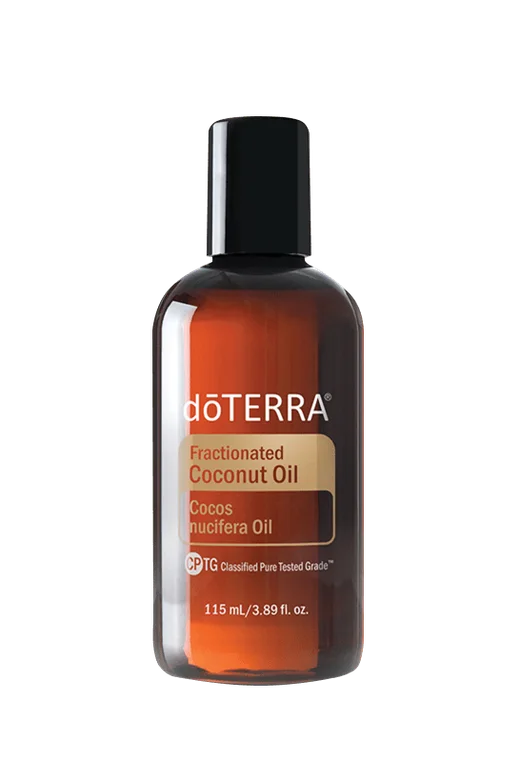
Carrier oil
Fractionated Coconut Oil
Cocos nucifera
Not an essential oil but a carrier: the base for dilution. Stays liquid at room temperature and carries no aroma of its own.
- The material
- Kernel · Fractionation · Odourless
- Where it comes from
- Philippines See on the map
The plant

How to use it, and cautions
How to use it
- Aromatic: add drops to a diffuser as the device directs.
- On skin: always with a carrier oil, such as fractionated coconut.
Cautions
- Possible skin sensitivity.
- Keep out of reach of children.
- If you are pregnant, nursing, or under a doctor’s care, consult your physician.
- Avoid contact with eyes, inner ears, and sensitive areas.
Cautions quoted from the company’s Product Information Page. PIP
Internal use is not listed: in Indonesia these oils are registered as cosmetics, not as products for consumption. Statements about effects will appear here only once the company issues an Approved Claims List.
This page describes the material and its origin. We state no health effects: the oils are registered with BPOM as cosmetics, and effect claims are not permitted in that category.
One Community
How to join
The mechanics, not the promise. No income figures on this page — anyone who quotes you a number is breaking the company’s own rules.
This page explains the mechanics. It does not promise an outcome. Read it before deciding.
How enrolment works
-
01
Account
You enrol on the official company site, not here. Payment and personal data live there.
-
02
Price
Enrolling gives you wholesale pricing on your own purchases. There is no obligation to buy monthly.
-
03
Learning
We teach the groundwork: dilution, carriers, patch testing, skin and sunlight safety.
-
04
Building
If you choose to, you can introduce others. That is work, not automatic income.
What to know first
- This is not a job and not employment with the company. You would be an independent contractor.
- Most people who enrol earn nothing. The official figures are in the document below.
- We promise no amount, and anyone quoting you a figure is breaking the company rules.
Official earnings disclosure: doterra.com/US/en/disclosure
We will get in touch
Write to us and we will get in touch about classes and the groundwork materials.
Leave a request